Choosing where to rent in Arizona for the long term is really a lifestyle question wearing a logistics costume. There is no single best city, because renters in Phoenix, Gilbert, Chandler, Tempe, Mesa, Scottsdale, Queen Creek, and Tucson are looking for different things: commute time, school quality, nightlife, outdoor access, and rent stability all trade off against each other. This guide walks through each city's character so you can match a community to the way you actually live.
Phoenix: The Big Balancing Act
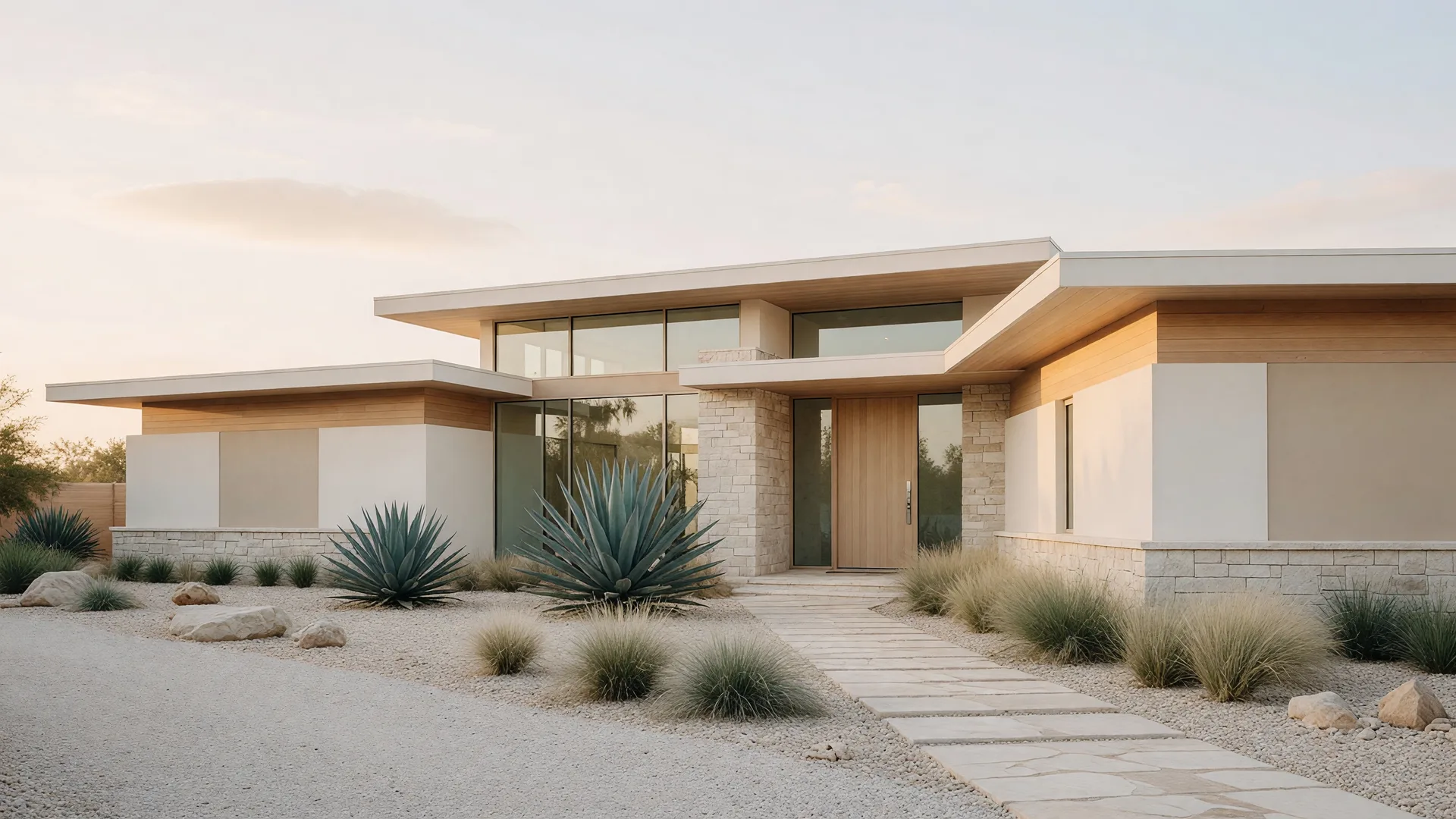
Phoenix is the state's job engine and gives renters the widest range of neighborhoods: from the dense, walkable energy around downtown and Midtown to quiet family subdivisions far out in the city limits. Rents span a broad spectrum, and the same is true of commutes, which can be quick or crushing depending on which side of the city you live in and work. If you value culture, dining, sports, and never running out of options, Phoenix offers the most of all of it, and long-term renters tend to stay because the city keeps changing in their favor.
Gilbert: Family-First Suburbia
Gilbert regularly lands on national lists of desirable places to live, and long-term renters can feel why. It is a planned, family-oriented community with an unusual amount of parks, trails, and community events, plus a downtown Heritage District that punches well above its size for dining and weekend activity. Rents here tend to reflect the demand, and the trade-offs are suburbia's classics: longer drives to the west Valley and a quieter pace. For families who want great schools, safe streets, and a strong sense of community, Gilbert is hard to beat.
Chandler: Suburban with a Tech Pulse
Chandler pairs a top-tier suburban lifestyle with a serious employment base, much of it in technology and manufacturing along the Price Road corridor. That makes it a favorite for professionals who want a short commute and a neighborhood feel. Downtown Chandler's historic core has filled in with restaurants and a lively seasonal calendar, and the city's parks and school system round out a very complete picture. Renters who land here often stay for years, and the steady stream of employers keeps the rental market from going quiet.
Tempe: Energy, Walkability, Young Professionals
Tempe is Arizona's college town and its most walkable city, anchored by Arizona State University, Mill Avenue, and Tempe Town Lake. Renters here get light rail access to downtown Phoenix, endless dining and events, and a demographic energy that suits students, young professionals, and empty nesters who love being in the middle of things. The trade-off is space: single-family rentals are limited, many rental options are apartments and townhomes, and the energy comes with activity. If you want your city to feel alive every night of the week, Tempe delivers.
Mesa: Big, Established, and Varied
Mesa is one of Arizona's largest cities and therefore one of its most varied rental markets. You can rent close to the arts and dining of downtown Mesa, in established neighborhoods with mature trees, or in newer communities far to the southeast near the Superstition foothills. Rents tend to run more moderately than in some east Valley neighbors, and the city has been investing heavily in its downtown. Long-term renters often choose Mesa for the combination of value and variety, with the caveat that wide stretches of the city are very car-dependent.
Scottsdale: Luxury Living for Renters
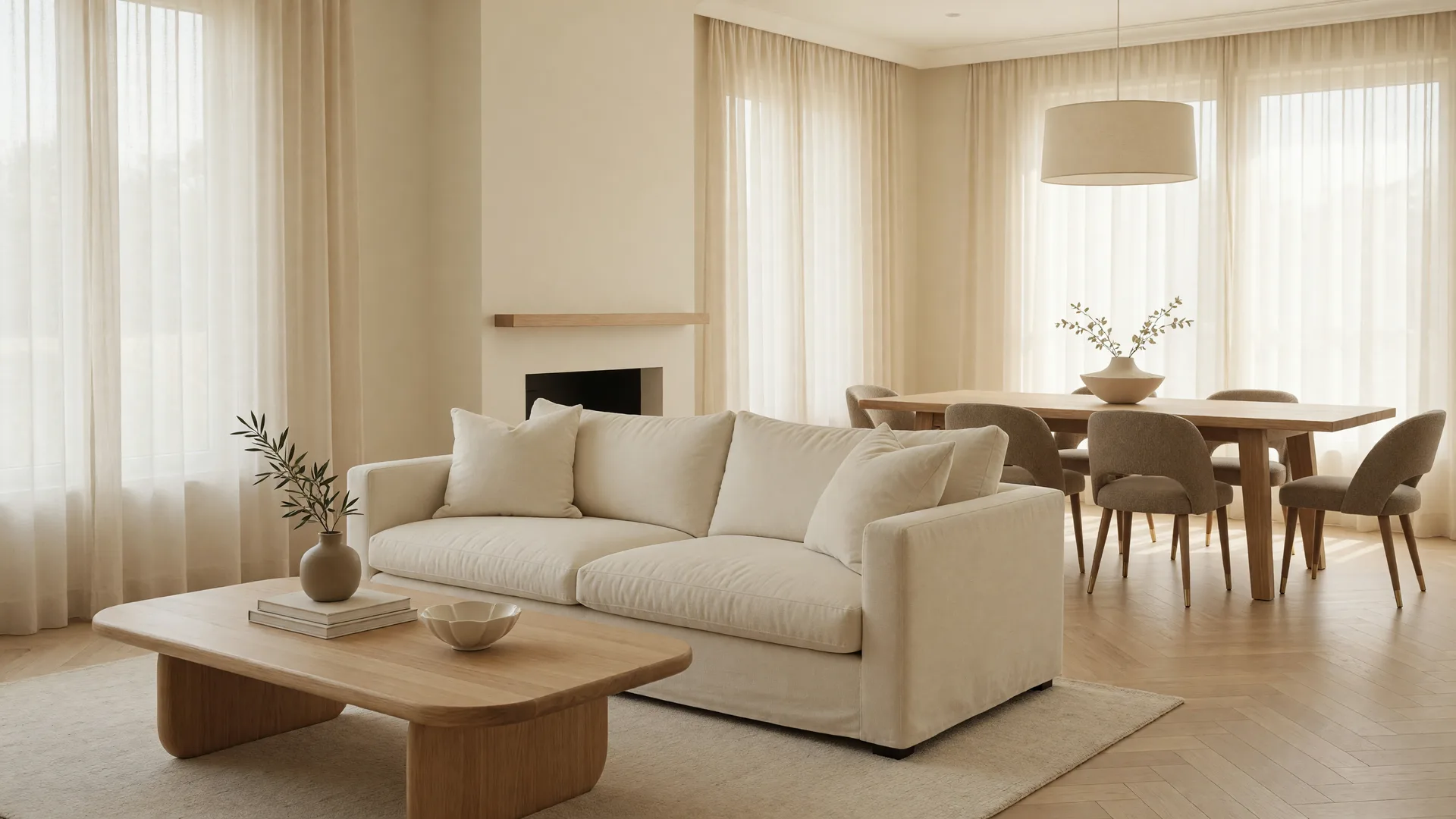
Scottsdale offers renters the most polished lifestyle in the Valley: Old Town dining and art, first-class resorts and golf, and an outdoor scene tied to the McDowell Mountains. Rental options run from upscale apartments near downtown to casitas and homes in established neighborhoods, and the price tag reflects the address. It suits renters who want resort-adjacent living, proximity to hiking, and a city that feels designed to be enjoyed. You trade the wide-open budget range of other cities for a consistently high bar of quality.
Queen Creek: New Homes, Growing Fast
Queen Creek is the east Valley's growth story, and its rental market is built mostly around newer homes and master-planned communities. Renters here get some of the newest construction in the state, larger floor plans, and a small-town feel that is rapidly maturing with new shopping and parks. The trade-offs are distance and construction: depending on where you work, the commute can stretch, and the area is still building out its amenities. For renters who want a brand-new home now and are fine watching a community grow up around them, it is an appealing bet.
Tucson: A Different Kind of Arizona
Tucson rounds out the list as the second major metro, and it offers a genuinely different character: lower cost of living than the Valley, stunning mountain scenery, a strong university presence, and a thriving arts and food scene. Rents generally run more moderately than Phoenix's, making it attractive for long-term renters on a budget, retirees, and anyone who prefers a slower, closer-to-nature pace. The economy is smaller, so it suits people whose jobs travel with them or who work in education, healthcare, and the public sector.
How to Choose
Start with your commute, since you will live it daily. Then weigh the non-negotiable: school boundaries if you have kids, walkability if you dread driving, rental inventory if you need a specific floor plan. Visit each candidate city at the times you would actually be out and about, and check what rent has done over the past couple of years to judge stability. I help renters and buyers alike understand these communities from the inside, so if you are weighing options, call me at 480-980-4400 or schedule a consultation.

Denise Hurd
Luxury Real Estate Specialist · RE/MAX Premier
With 30+ years across Metro Phoenix and beyond, I know these cities street by street. Call me at 480-980-4400 or schedule a consultation.