Introduction
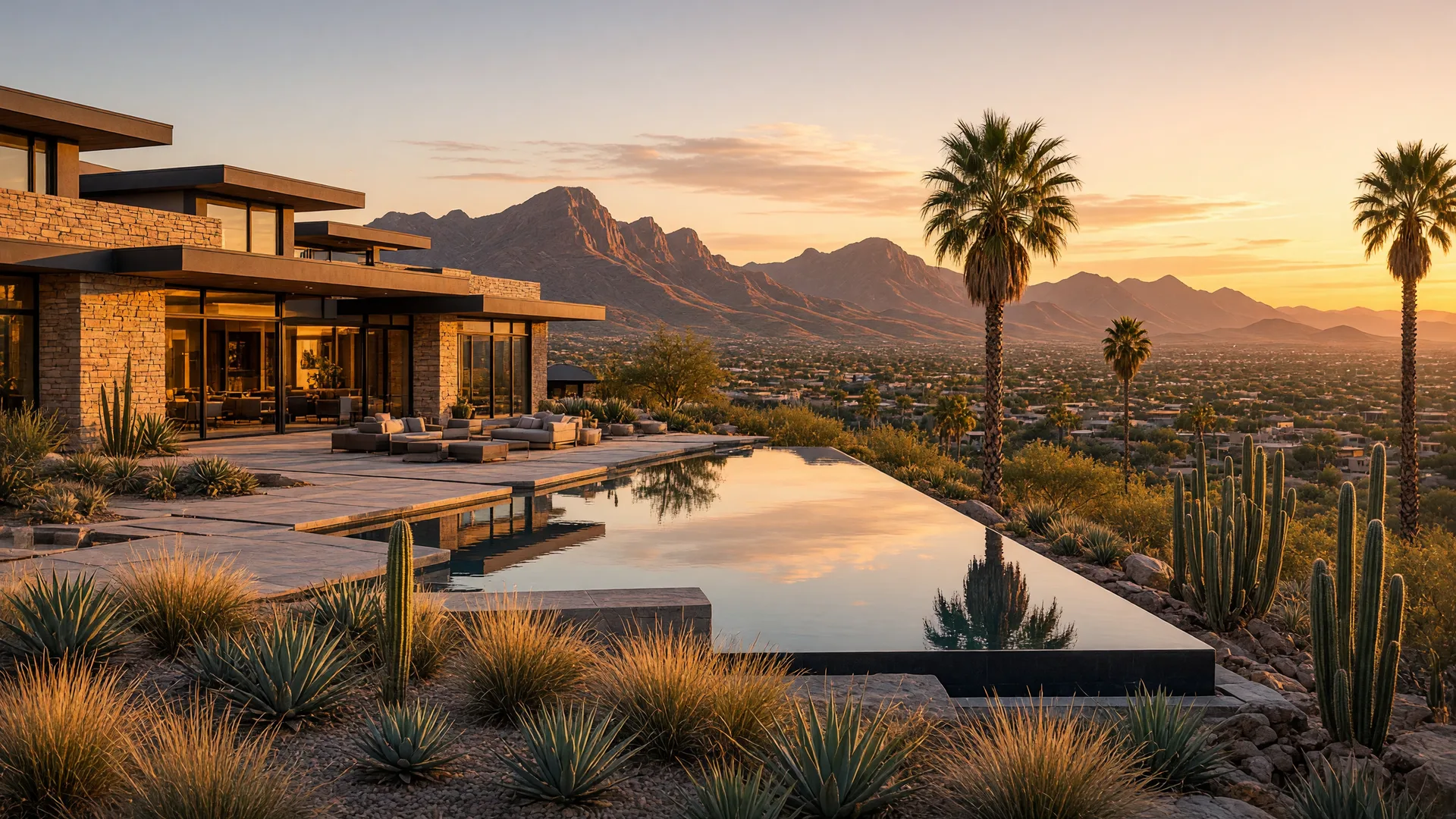
A luxury estate in Paradise Valley can offer an incredible lifestyle. Picture expansive outdoor spaces, beautiful mountain views, a private pool, generous entertaining areas, and a home designed around the way you want to live.
But there's another side to owning a property like this that buyers should understand before making a purchase: the ongoing cost of maintaining it.
A multimillion-dollar home doesn't just come with a larger purchase price. Depending on its size, age, construction, landscaping, amenities, and location, it may also require a substantial annual budget for insurance, property taxes, utilities, pool service, maintenance, and professional care.
And here's something worth remembering: two homes with similar asking prices can have very different ownership costs.
I'm Denise Hurd with RE/MAX Premier. With more than 30 years of experience in Metro Phoenix real estate, I help buyers look beyond the beautiful features of a home and understand what ownership may involve.
If you're considering a luxury estate in Paradise Valley, here are the expenses I believe you should understand before making a decision.
1. Property Taxes: Paradise Valley Has an Important Advantage
Let's start with property taxes, because Paradise Valley has a distinction that may surprise buyers relocating from other luxury markets.
The Town of Paradise Valley does not levy its own primary or secondary property tax.
However, that does not mean homeowners pay no property taxes. Owners still contribute to the county, school districts, community college district, and applicable special taxing districts.
Arizona property taxes are calculated using the property's Limited Property Value (LPV), rather than simply applying a tax rate to its current market value.
In general, the calculation works like this:
- The county determines the property's Limited Property Value.
- That value is multiplied by the applicable assessment ratio.
- The resulting assessed value is multiplied by the combined tax rate for the property's tax area.
For residential property, the assessment ratio is generally 10%.
The exact tax rate depends on the property's tax area code and school district. For the 2026 tax year, one commonly referenced Paradise Valley tax area within Scottsdale Unified School District has a combined rate of approximately $6.0164 per $100 of assessed value. Other areas, including portions associated with the Creighton school district, have different rates.
For example, using that Scottsdale Unified tax area:
- Assumed Limited Property Value: $2,000,000
- Assessed value at 10%: $200,000
- Combined rate: $6.0164 per $100
- Estimated annual tax before applicable credits: approximately $12,033
This is an illustration, not a tax estimate for a particular property. The actual LPV, tax area, property classification, and applicable credits will affect the final amount.
One more important point: a property's market value and its taxable value are not necessarily the same. A long-time owner's tax bill may differ from the bill on a recently purchased or newly constructed property.
Before closing, review the property's actual assessment and tax history through the Maricopa County Assessor and Maricopa County Treasurer.
2. Homeowners Insurance: Protecting a High-Value Property
Insurance is one expense luxury buyers should investigate early, not after the purchase is complete.
A standard homeowners insurance estimate for an average Arizona home won't necessarily tell you much about the cost of insuring a custom estate in Paradise Valley.
A luxury property may have:
- Custom architecture and specialty finishes.
- High-end kitchens and bathrooms.
- Expensive roofing materials.
- Guest houses and detached structures.
- Pools, outdoor kitchens, and other improvements.
- Smart-home, security, and automation systems.
- High-value furniture, artwork, and personal belongings.
The amount needed to rebuild the property may be very different from its purchase price or market value.
For instance, the land itself may represent a substantial part of a property's market value, but land generally isn't something a homeowners policy needs to replace after a covered loss. The insurer instead considers the cost of rebuilding the structures and replacing covered belongings.
Depending on the property, buyers may need to consider specialized high-value homeowners coverage, additional liability protection, scheduled coverage for valuables, and appropriate limits for detached structures.
The Arizona Department of Insurance and Financial Institutions explains that insurance pricing depends on risk and the estimated cost of handling claims. Construction costs, property characteristics, and coverage levels all matter.
You can review its homeowners insurance consumer information.
My recommendation: Get an insurance quote for the specific property during your inspection period. Don't rely on the seller's current premium as a guarantee of what you will pay.
3. Landscaping: Beautiful Outdoor Spaces Require Ongoing Care
Outdoor living is one of the biggest attractions of Paradise Valley.
Many luxury estates feature mature trees, desert landscaping, expansive gardens, decorative lighting, irrigation systems, and carefully designed outdoor entertaining areas.
But maintaining those spaces requires time and money.
Regular landscaping expenses may include:
- Weekly or biweekly landscape service.
- Tree trimming and seasonal pruning.
- Irrigation inspections and repairs.
- Plant and tree replacement.
- Fertilizer and soil treatments where appropriate.
- Pest management.
- Landscape lighting maintenance.
- Cleanup after storms.
The cost depends on the size of the property and the complexity of the landscaping.
A home with low-maintenance desert planting may have a very different budget from an estate with extensive turf, mature trees, elaborate gardens, and multiple outdoor entertaining areas.
Water use also deserves attention. Irrigation leaks, inefficient watering schedules, and older systems can increase utility expenses without necessarily improving the landscape.
Before buying, ask how the property is currently maintained and request information about the irrigation system. A professional landscape assessment can help identify potential repairs and replacement needs.
For buyers interested in reducing outdoor maintenance, my article on water-wise landscaping in Scottsdale explores some of the design choices that can help create attractive desert landscapes with more thoughtful water use.
4. Pool and Spa Maintenance: More Than Weekly Cleaning
A private pool is often one of the most attractive features of a Paradise Valley estate.
It can make Arizona summers more enjoyable and create a beautiful setting for entertaining. However, a pool also comes with regular operating and maintenance expenses.
Typical costs include:
- Weekly cleaning and chemical balancing.
- Electricity for pumps and filtration.
- Water for refilling and evaporation.
- Filter and equipment servicing.
- Repairs to pumps, heaters, and automation systems.
- Pool resurfacing when needed.
- Spa and water-feature maintenance.
A pool with a spa, heating system, waterfalls, or elaborate lighting will generally have more components to maintain than a simple swimming pool.
Buyers should also check the age and condition of the equipment. A pool may look beautiful while its pump, heater, or filtration system is approaching replacement.
Ask for recent service records and have the equipment inspected as part of your due diligence.
It's also worth considering how often you'll use the pool. A second-home owner who visits only part of the year may still need regular service to keep the water balanced and equipment operating properly.
5. Utilities: Cooling a Large Arizona Home
Arizona summers make cooling one of the most important operating expenses for a large home.
An estate with multiple living areas, high ceilings, expansive windows, guest quarters, and large square footage may require several HVAC systems.
Electricity costs can be affected by:
- Total square footage.
- Insulation and window performance.
- Roof materials and sun exposure.
- HVAC age and efficiency.
- Thermostat settings.
- Pool pumps and outdoor lighting.
- Electric vehicle charging.
- Occupancy and guest use.
A home with separate climate zones may offer more control, but it still needs properly maintained equipment.
Water and gas bills also deserve attention, particularly if the property has extensive landscaping, outdoor kitchens, heated pools, or multiple household appliances.
I recommend asking the seller for 12 months of utility bills whenever possible. This gives you a more realistic picture of how the property performs across Arizona's seasons.
It also helps you identify whether certain systems are unusually expensive to operate.
6. HVAC, Roofing, and General Home Maintenance
A luxury estate is a collection of major systems, finishes, and equipment. Even when everything looks excellent, those components have a useful life.
Some expenses are predictable, while others can arrive unexpectedly.
Consider the following:
| Component | What to budget for |
|---|---|
| HVAC systems | Routine servicing, repairs, eventual replacement |
| Roofing | Inspections, repairs, replacement planning |
| Plumbing | Leak repairs, fixture and pipe maintenance |
| Electrical | Repairs, panel upgrades, specialty systems |
| Appliances | Servicing and replacement |
| Windows and doors | Hardware, seals, repairs |
| Exterior finishes | Painting, stucco and finish repairs |
| Smart-home systems | Software, hardware, and specialist support |
The age of the home matters, but so does the quality of its original construction and the maintenance it has received.
A newer estate may have fewer immediate repair needs, but it is not automatically maintenance-free. Older properties may have beautifully maintained systems, or they may have several expensive replacements approaching at the same time.
For planning purposes, some owners use an annual maintenance reserve based on a percentage of the home's improvement value. A frequently used starting point is around 1%, but this is only a budgeting guideline, not a reliable prediction of actual costs for every luxury property.
A larger or older home, a property with extensive amenities, or one with deferred maintenance may need a different reserve.
7. Security, Property Management, and Household Services
Some Paradise Valley estates require more than routine maintenance.
Depending on the owner's lifestyle, the property may need:
- Security monitoring.
- Camera and alarm system servicing.
- Gate and access-control maintenance.
- Housekeeping.
- Regular property inspections.
- Pool and landscape coordination.
- Concierge or household management.
- Caretaking while the owner is away.
This is particularly relevant for second-home buyers.
If you live elsewhere for much of the year, someone may need to check the property, monitor systems, coordinate repairs, and respond when an issue arises.
A property manager or caretaker can provide peace of mind, but those services should be part of the annual ownership budget.
Also, don't assume that a guard-gated community covers all your security needs. Community access controls and private-property security are separate considerations.
8. HOA Fees and Community Costs
Not every Paradise Valley estate belongs to a homeowners association.
Many properties are located in neighborhoods without an HOA, which can give owners more flexibility. However, some luxury communities have associations, including guard-gated settings where dues help support shared services.
Before buying, determine whether the property has an HOA and request the relevant documents.
Review:
- Monthly or annual dues.
- Gate and security arrangements.
- Shared road and common-area maintenance.
- Architectural and exterior restrictions.
- Rental restrictions.
- Pending or special assessments.
- Association financial condition.
A community fee may cover certain shared services, but it generally doesn't replace the owner's responsibility for private landscaping, pools, home systems, or other property maintenance.
For buyers considering Clearwater Hills or another gated setting, understanding the association's actual responsibilities is especially important.
9. Hillside and Specialized Property Maintenance
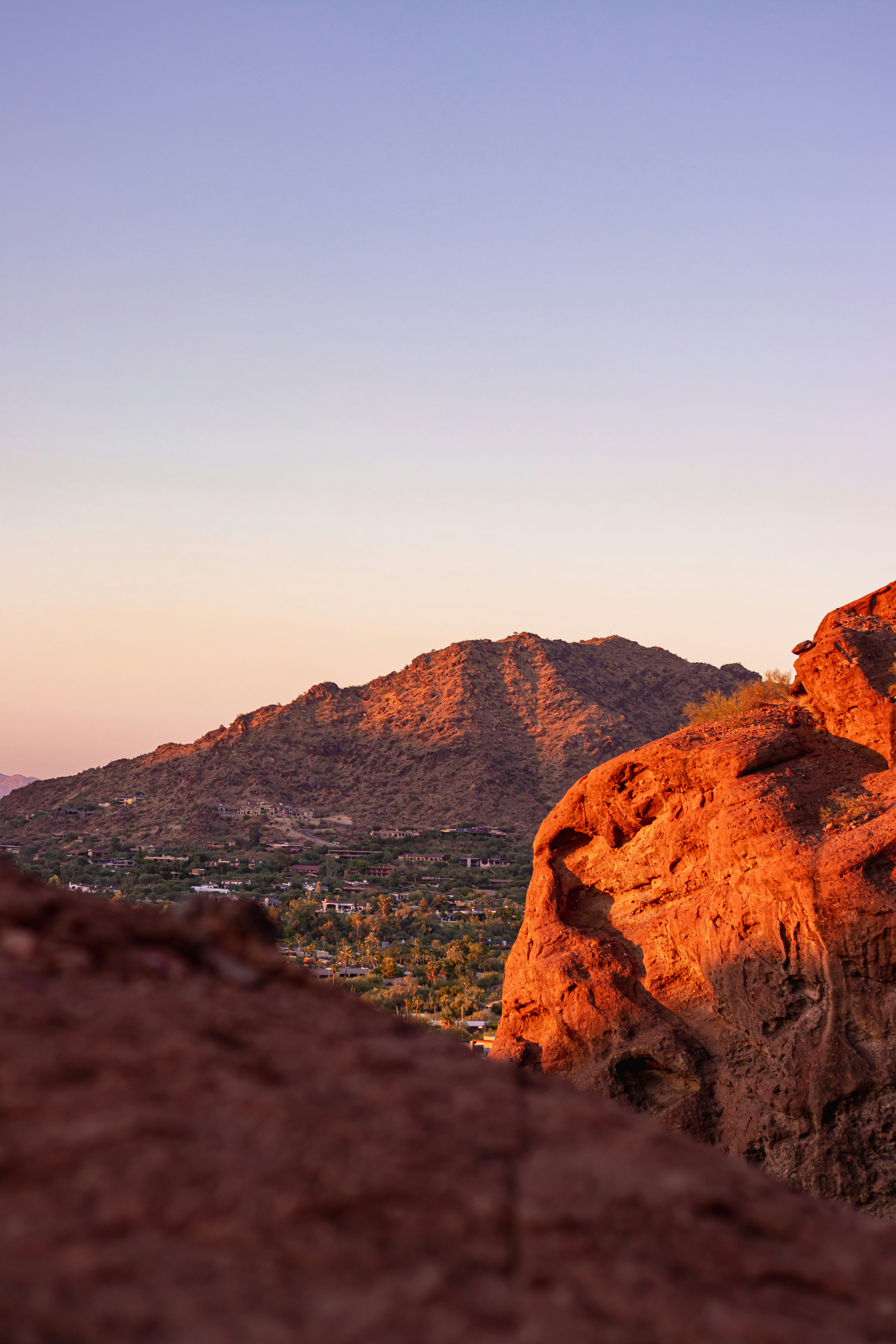
Some of Paradise Valley's most impressive homes occupy elevated or sloping sites.
These properties can offer spectacular views, but they may also have maintenance considerations that a buyer wouldn't encounter with a typical flat-lot home.
Depending on the property, owners may need to plan for:
- Retaining wall inspections and repairs.
- Drainage improvements.
- Erosion control.
- Hillside landscaping.
- Specialized irrigation.
- Access road or driveway maintenance.
- Repairs to exterior structures affected by slope or runoff.
These are not expenses every hillside homeowner will experience every year. Some may be occasional, substantial projects rather than routine annual costs.
The important thing is to understand the condition of the property before buying.
If you're considering a hillside estate, ask about previous drainage work, retaining walls, grading, and any relevant building approvals. A qualified professional should evaluate concerns that arise during inspections.
You should also understand whether the property is subject to the Town's hillside development requirements, particularly if you plan to make changes in the future.
10. Build an Annual Ownership Budget Before You Make an Offer
By this point, you can see why the purchase price alone doesn't tell the whole story.
A $4 million estate with relatively simple landscaping, a newer roof, and efficient systems may have very different annual expenses from a $4 million property with extensive gardens, multiple pools, older HVAC systems, and a large amount of deferred maintenance.
A useful approach is to create a property-specific ownership budget before finalizing your offer.
Here is an illustrative example of the types of costs to consider.
Example: Annual expenses for a large Paradise Valley estate
The following is a planning illustration, not a quote or guaranteed cost estimate. Actual expenses will vary by property, insurance coverage, tax area, service providers, and maintenance needs.
| Expense category | Illustrative annual budget |
|---|---|
| Property taxes | 12,000–25,000 |
| Homeowners insurance | 14,000–32,000 |
| Landscaping | 18,000–40,000 |
| Pool and spa | 6,000–12,000 |
| Utilities | 12,000–25,000 |
| General maintenance reserve | 25,000–40,000 |
| Illustrative total | 87,000–174,000 |
This example does not include a mortgage, financing costs, major renovations, household staff, property management, or HOA dues. It also does not mean every Paradise Valley estate will fall within this range.
A recent local cost-of-ownership analysis published in November 2026 estimated that a $5 million Paradise Valley property could cost approximately $100,000 to $175,000 annually to operate, depending on its characteristics and services. That analysis used a range of estimates for taxes, insurance, utilities, pool care, landscaping, and maintenance. It is a useful reference point, but individual owners should verify every figure against their own property.
The most important step is to replace general estimates with actual information: tax records, insurance quotes, utility bills, service contracts, inspection findings, and association documents.
Real-Life Insight: The Most Expensive Home Isn't Always the Most Expensive to Own
It's easy to assume that the higher the purchase price, the higher the annual ownership cost.
That isn't always true.
A newer, well-maintained estate with efficient systems and straightforward landscaping may be easier to manage than a less expensive property that needs extensive repairs.
Likewise, a home with a large lot may require more landscape care than a property with a smaller, thoughtfully designed outdoor space.
I encourage buyers to compare the entire ownership picture rather than focusing only on the asking price.
Think about how much time you'll spend at the property, how much outdoor space you'll actually use, whether you'll need household services, and how comfortable you are managing ongoing maintenance.
The goal is to enjoy the home, not spend your time worrying about what it costs to keep it running.
Why Working With an Experienced Agent Matters
Understanding the cost of owning a luxury estate requires more than looking at a tax bill or asking the seller what they spend each month.
It means asking the right questions and bringing in the right professionals to evaluate the property.
With more than 30 years of experience serving Metro Phoenix, I help buyers look at the details that can affect their decision, including property condition, comparable sales, lot characteristics, and the practical responsibilities of ownership.
As an A.I.-certified real estate agent and Certified Luxury Home Marketing Specialist with RE/MAX Hall of Fame recognition, I combine local market knowledge with modern research tools to help clients make informed decisions.
I also believe buyers should have the right team around them. Insurance professionals, inspectors, contractors, tax advisers, and property managers can each help clarify a different part of the ownership picture.
My goal is to help you find a home that fits your lifestyle and understand what it takes to enjoy it comfortably.
Ready to Make Your Next Move With Confidence?
Owning a luxury estate in Paradise Valley can be an exceptional experience, but the best purchase is one that makes sense beyond the closing date.
Property taxes, insurance, landscaping, pool care, utilities, maintenance, and other expenses all deserve a place in your decision.
If you're considering buying a luxury home in Paradise Valley, I'd be happy to help you evaluate the property, understand the local market, and identify the questions worth asking before making an offer.
I'm Denise Hurd with RE/MAX Premier. With more than 30 years of experience serving Metro Phoenix, I believe great real estate decisions begin with preparation, clear communication, and a good understanding of what comes next.
Call me at 480-980-4400 or email homesnaz@aol.com. Let's talk about your plans and help you make your next move with confidence.
Frequently Asked Questions
1. How much does it cost annually to own a luxury estate in Paradise Valley?
It depends on the property's size, age, condition, landscaping, amenities, insurance requirements, and services. A local November 2026 estimate placed annual ownership costs for a $5 million property at roughly $100,000 to $175,000, excluding financing and major renovations. Individual properties can differ significantly.
2. Does Paradise Valley have its own property tax?
The Town of Paradise Valley does not levy its own primary or secondary property tax. However, homeowners still pay applicable county, school district, community college, and special district taxes. The exact amount depends on the property's tax area and Limited Property Value.
3. Is homeowners insurance more expensive for luxury homes?
It can be. Custom construction, expensive finishes, guest houses, pools, and high rebuilding costs can increase the amount of coverage needed. Buyers should obtain property-specific quotes rather than rely on standard Arizona insurance averages.
4. How much does landscaping cost for a Paradise Valley estate?
Costs vary with lot size, plant selection, irrigation, trees, and the complexity of the landscape design. A simple desert landscape may be less expensive to maintain than an estate with extensive turf, mature trees, and elaborate gardens.
5. Are pools expensive to maintain in Arizona?
Pools require regular cleaning, chemical balancing, equipment servicing, and electricity. Heated pools, spas, and elaborate water features may add to the cost. Buyers should review the equipment's age and maintenance records before purchasing.
6. Do all Paradise Valley estates have HOA fees?
No. Many properties are not part of an HOA. However, some gated and planned communities have association dues and rules. Buyers should confirm whether the property belongs to an association and review its documents before closing.
7. Should I request utility bills before buying a luxury home?
Yes. Asking for 12 months of electricity, water, and gas bills can help you understand the property's actual operating costs across Arizona's seasons.
8. What is the best way to estimate the cost of owning a Paradise Valley estate?
Start with the property's actual tax records, insurance quotes, utility bills, inspection findings, maintenance history, pool and landscaping contracts, and any HOA documents. A property-specific budget is more useful than relying on a general estimate for luxury homes.
Sources
- Maricopa County Assessor – Property Valuation and Tax Information
- Maricopa County Treasurer – Property Tax Information
- Maricopa County – Understanding Your Property Tax Bill
- Arizona Department of Insurance and Financial Institutions – Homeowners Insurance
- Arizona Department of Real Estate – Property Buyer's Checklist
- Paradise Valley Cost of Ownership – Clayton Wolfe, November 2026