Living in Phoenix offers plenty to enjoy, from sunny winter afternoons to beautiful desert landscapes and outdoor entertaining. But when summer temperatures climb, your home becomes more than a place to relax. It becomes your main source of comfort, protection from the heat, and a major factor in how you manage your household expenses.
Air conditioning, window placement, shade, insulation, swimming pools, and landscaping can all influence the experience of owning a home in the Valley. These features can affect everyday comfort, maintenance requirements, water use, and the overall suitability of a property for your lifestyle.
Hi, I'm Denise Hurd with RE/MAX Premier. With more than 30 years of real estate experience, I know that finding the right home means looking beyond its appearance. In Arizona, understanding how a property handles summer heat can be just as important as its floor plan, location, and outdoor amenities.
Whether you're buying your first home, relocating to Phoenix, or considering selling your property, here's what to know about summer homeownership in the desert.
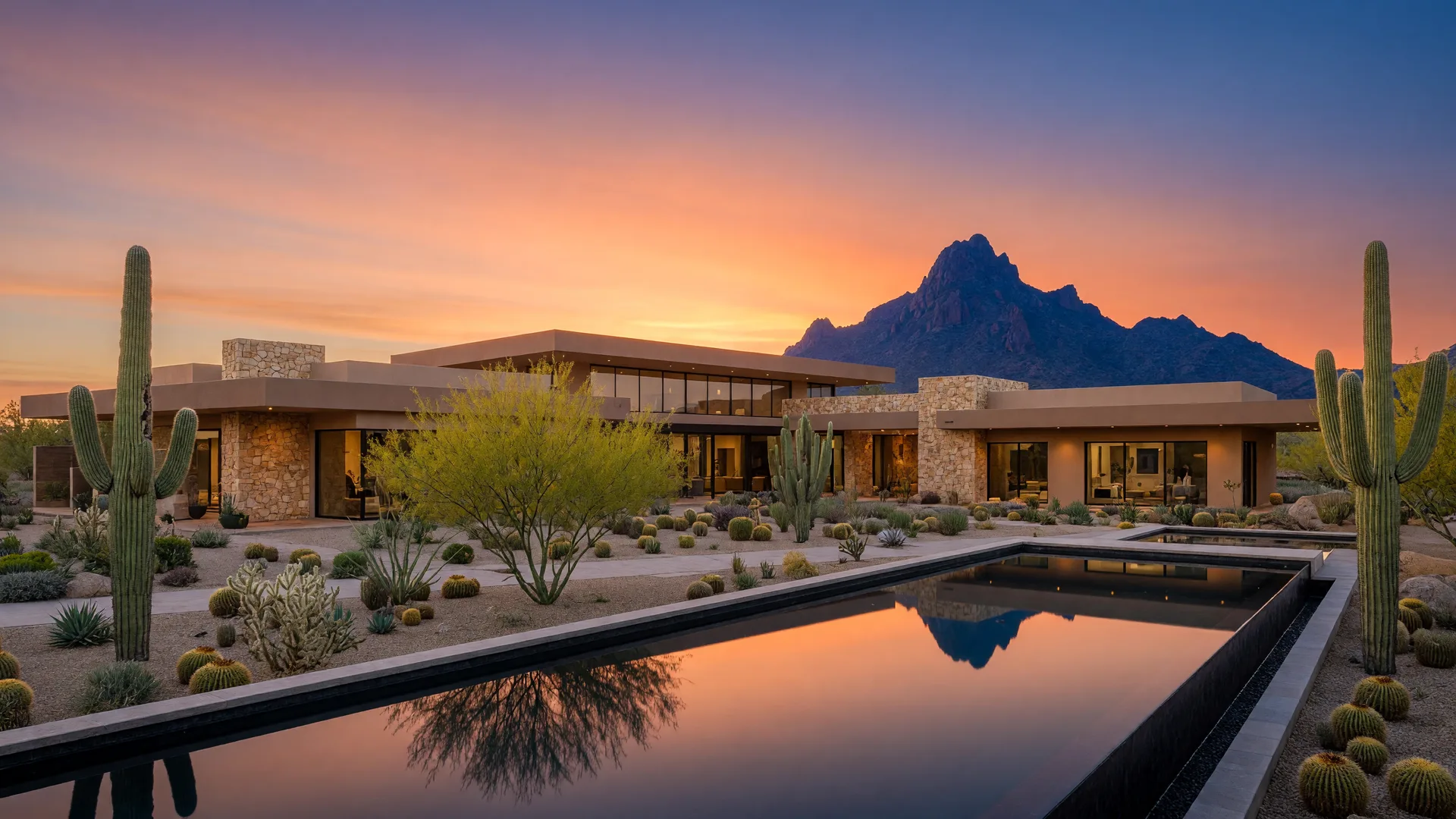
1. Air Conditioning Is More Than a Comfort Feature
In Phoenix, a home's cooling system deserves serious attention before you buy. During the hottest months, air conditioning can account for a substantial share of household electricity use.
Arizona Public Service (APS) notes that air conditioning can represent more than three-quarters of summer electricity use in a typical central or southern Arizona home, depending on the household and its equipment.
That makes the condition and performance of the cooling system an important part of evaluating a property.
Before purchasing a home, consider these questions:
- How old is the air conditioning system? Ask about its age, service history, and any recent repairs.
- Does it cool the entire house evenly? Hot and cold spots may indicate airflow issues, duct problems, insulation gaps, or equipment that needs further evaluation.
- Has the system been maintained? Request available maintenance records and consider a qualified HVAC inspection.
- How well is the home insulated? Insulation and air sealing help limit unwanted heat entering the house.
- Are the windows appropriate for the climate? Window orientation, glazing, and exterior shading can influence indoor temperatures.
A newer air conditioner isn't automatically the best system for every home. Proper sizing, installation, maintenance, and the building's overall thermal performance all matter.
For practical recommendations, visit APS's home energy-saving tips.
2. Energy Efficiency Can Make a Noticeable Difference
A home's purchase price is only one part of the ownership equation. The way it handles summer heat can influence ongoing electricity expenses.
Fortunately, some useful features are easy to overlook during a showing.
Look at insulation, windows, and air leaks
Insulation helps slow heat transfer through the roof, attic, and walls. Energy-efficient windows and effective weatherstripping can also reduce unwanted heat gain.
Pay particular attention to windows that receive strong afternoon sunlight. Depending on the home's design, exterior shade screens, appropriate window coverings, and trees can help reduce direct solar heat entering the house.
The U.S. Department of Energy explains that windows with low solar heat gain coefficients can be useful in warm climates where cooling costs are a concern. Learn more through its guide to energy-efficient residential windows and doors.
Ask about the home's cooling history
When possible, ask the seller about recent summer electricity bills. One bill won't tell you exactly what your future expenses will be, since usage habits, occupancy, utility rates, and weather all vary. However, several months of records can provide helpful context.
Also check whether the home has a programmable or smart thermostat, ceiling fans, and accessible air filters. These features don't replace a properly functioning cooling system, but they can support more efficient operation.
When comparing two otherwise similar properties, these details may help you understand which home is likely to offer a more comfortable ownership experience.
3. Shade Trees and Covered Outdoor Spaces Matter
A shaded backyard can be much more inviting than an exposed patio during an Arizona summer. Shade can also help reduce the amount of heat absorbed by some outdoor surfaces and areas around a home.
Trees, pergolas, covered patios, and strategically placed exterior screens can make a difference in how usable your outdoor space feels.
Salt River Project (SRP) discusses the value of shade trees and their potential to reduce cooling demand in its guide to shading your home in Arizona.
When viewing a property, consider:
- Whether mature trees shade windows or walls that receive strong sunlight.
- Whether the patio has a roof, pergola, or another form of shade.
- Whether the outdoor seating area faces the intense afternoon sun.
- Whether trees and shrubs appear healthy and appropriately maintained.
- Whether the landscaping requires more irrigation than you're comfortable managing.
Remember that mature trees need care, and roots can interfere with paving, irrigation lines, or other infrastructure if they're poorly placed. Trees also take time to grow, so don't assume a newly planted tree will provide immediate shade.
Phoenix homeowners may also want to investigate local tree-planting initiatives. The City of Phoenix tree grant programs provide information about eligibility and available assistance.
4. Is a Swimming Pool Worth It in Phoenix?
For many buyers, a swimming pool is one of the most appealing features of an Arizona home. It can create a private space for relaxing, entertaining friends, and enjoying the backyard during warmer months.
However, a pool also comes with responsibilities that deserve careful consideration before purchasing a property.
Understand the ongoing maintenance
Pool ownership may involve:
- Cleaning and water-quality testing.
- Chemicals and routine maintenance.
- Pump, filter, and equipment repairs.
- Electricity for circulation and other equipment.
- Water used for evaporation replacement and occasional maintenance.
- Safety measures, including appropriate barriers and gates.
Arizona's dry climate makes evaporation particularly important. The Arizona Department of Water Resources explains that pools and other water features can use significant amounts of water, especially during summer.
A pool cover can help reduce evaporation when the pool is not in use. The most appropriate cover depends on the pool, safety needs, and how you plan to use it.
For more details, see the department's water conservation resources for pools and outdoor water use.
Inspect the pool before you buy
A pool that looks beautiful in listing photos may still need repairs. Ask about the age and condition of the pump, filter, surface finish, plumbing, and other equipment.
Depending on the property, a qualified pool inspection may help identify leaks, equipment problems, or maintenance issues that aren't immediately visible.
If you're comparing a home with a pool to one without, consider how frequently you'll realistically use it. The right choice depends on your lifestyle and budget, not simply on which property has the more impressive backyard.
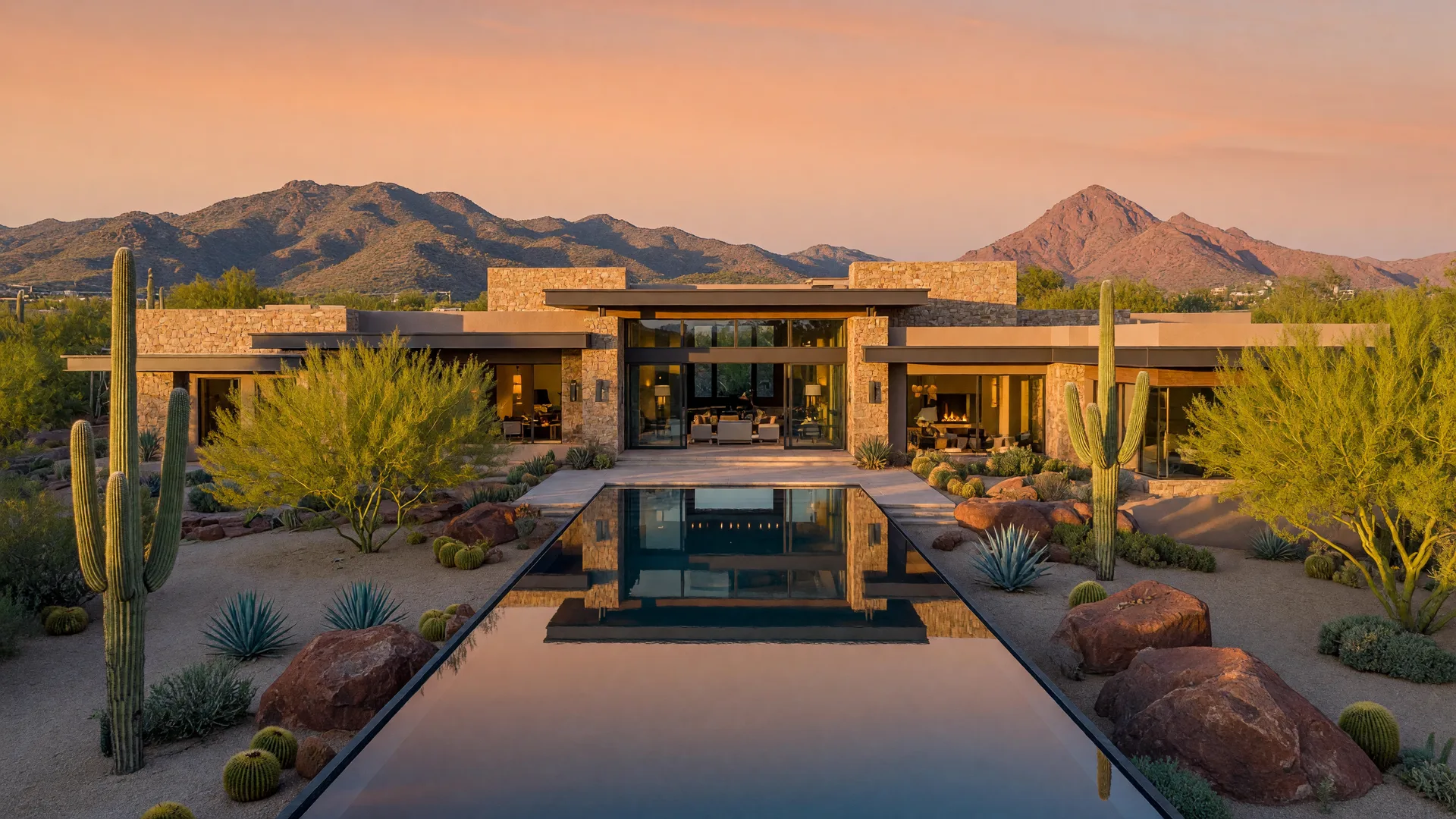
5. Desert Landscaping Can Be Attractive and Practical
Phoenix landscaping doesn't have to mean a large green lawn. Many homeowners prefer desert-adapted plants, gravel, native trees, and thoughtfully designed outdoor spaces that complement the surrounding environment.
These landscapes can offer several advantages when designed appropriately:
- Lower irrigation requirements than some water-intensive landscapes.
- Less lawn mowing and fewer lawn-related maintenance tasks.
- A natural visual connection to Arizona's desert environment.
- Opportunities to incorporate shade trees, pathways, and outdoor seating.
However, desert landscaping isn't entirely maintenance-free. Plants still need appropriate watering while establishing, pruning when necessary, and attention to irrigation systems.
When purchasing a home, look beyond the appearance of the front yard. Ask about irrigation, the condition of mature trees, drainage, and any landscape maintenance requirements imposed by a homeowners association.
The Arizona Department of Water Resources landscaping guide offers information about water-efficient plants and landscape practices.
For buyers relocating from another state, my Insider's Guide to Arizona Living provides a broader introduction to the lifestyle differences that come with living in the desert.
6. Outdoor Living Spaces Need to Be Designed for the Heat
One of the appealing features of Phoenix homes is the opportunity to enjoy outdoor living for much of the year. But a backyard's usefulness in July may be very different from its usefulness in January.
A property with a patio, outdoor kitchen, pool, or landscaped garden can be a wonderful fit if the space is designed around the local climate.
When evaluating outdoor areas, consider the following:
- Shade and orientation: Covered patios and shaded seating areas can make outdoor spaces more comfortable during hot weather.
- Surface materials: Concrete, stone, pavers, and artificial turf can become extremely hot in direct sunlight. Think about how you and your family will use the space, particularly if children or pets will be walking barefoot.
- Outdoor kitchens: Grills and cooking areas can extend entertaining opportunities, but their placement matters. Consider shade, ventilation, and the distance from indoor living areas.
- Water and irrigation: Fountains, pools, lawns, and planted beds all have different water requirements. Ask about irrigation schedules and any known leaks.
- Storage and maintenance: Pool equipment, outdoor furniture, shade structures, and landscaping tools all require space and care.
A well-designed outdoor area should fit your habits rather than simply look impressive during a home tour.
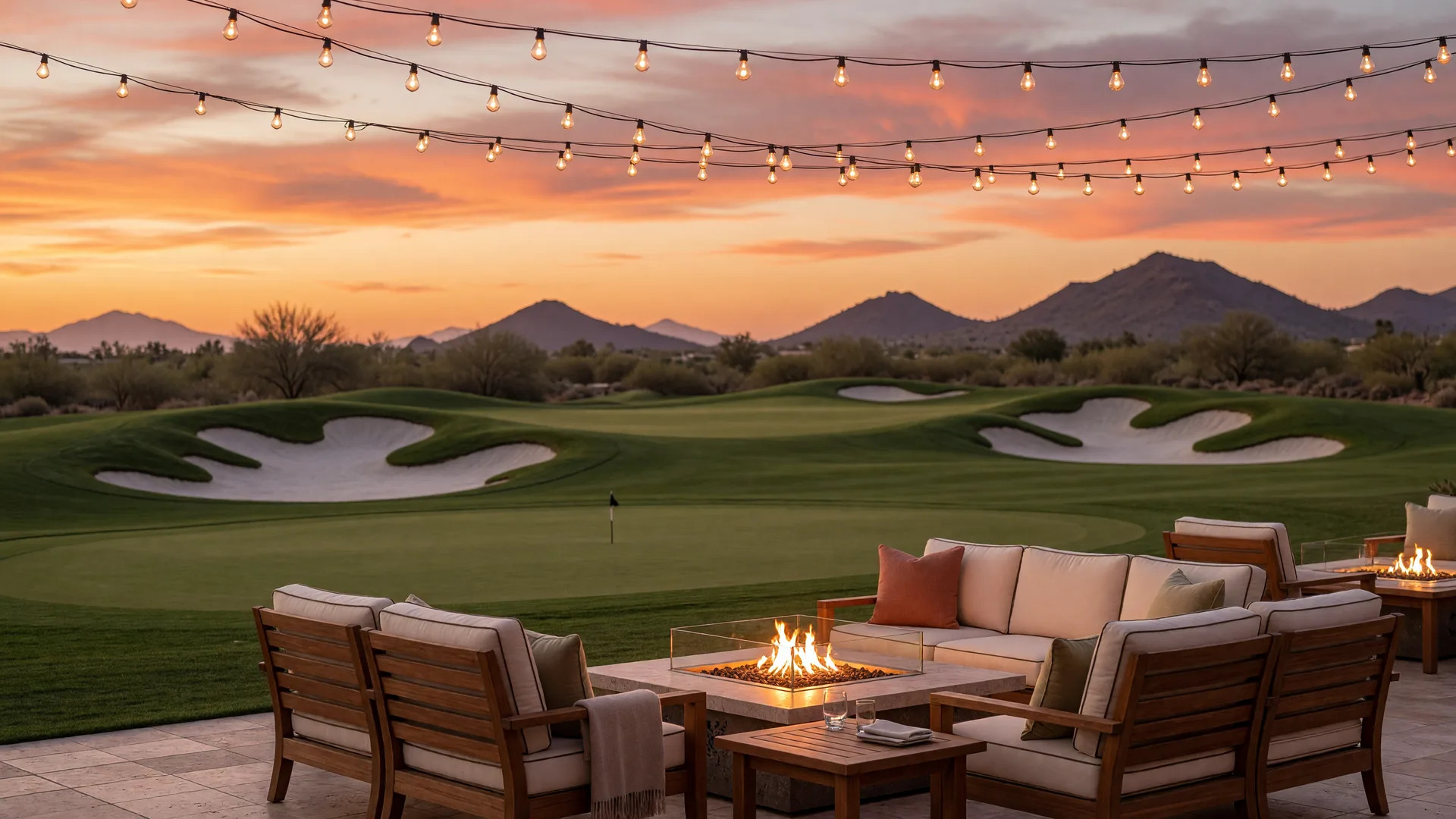
7. What Buyers Should Check Before Purchasing a Phoenix Home
If you're considering a home in Phoenix, make summer performance part of your evaluation from the beginning.
A practical checklist includes:
- Review available HVAC maintenance records and ask about equipment age.
- Arrange appropriate home inspections and investigate any signs of roof, insulation, or cooling issues.
- Ask the seller for recent utility bills, where available.
- Examine windows, exterior shading, and the home's afternoon sun exposure.
- Inspect pools and related equipment when applicable.
- Evaluate irrigation, landscaping, and drainage.
- Review HOA requirements that may affect landscaping, exterior improvements, or outdoor structures.
- Consider how the home will function during the hottest part of the year, not just during a pleasant showing.
No single feature guarantees a comfortable or inexpensive home to maintain. The goal is to understand how the building, equipment, and outdoor spaces work together.
If you're still exploring the area, my guide to Arizona neighborhoods and which community fits your lifestyle can help you compare the broader factors involved in choosing where to live.
8. What Sellers Can Do to Make a Home More Appealing
For homeowners preparing to sell, summer-related features can be valuable talking points when presented accurately.
A well-maintained cooling system, a shaded patio, an inviting pool, or water-conscious landscaping can help buyers understand how the property supports life in Arizona.
Before listing, consider addressing routine maintenance, cleaning outdoor spaces, checking irrigation, and making sure the cooling system is operating properly.
Keep records of recent HVAC service or pool maintenance if available. If you've made energy-efficiency improvements, document the work and the products installed rather than promising a specific reduction in future bills.
You don't necessarily need a major renovation. Often, the most useful preparation is making sure the home is clean, comfortable, well-maintained, and ready for buyers to evaluate.
Why Working With an Experienced Agent Matters
Buying or selling a home in Phoenix involves more than comparing asking prices and floor plans. The property's cooling system, outdoor spaces, landscaping, and maintenance history can all influence whether it suits your needs.
With more than 30 years of real estate experience, I help clients look at the full picture so they can make informed decisions about where and how they want to live.
As a Realtor with RE/MAX Premier, my approach is centered on clear communication, local knowledge, and helping buyers and sellers find the right fit. Whether you're searching for a home with a pool, prioritizing energy efficiency, or preparing to sell, understanding the property's practical features is an important part of the process.
Ready to Make Your Next Move With Confidence?
Phoenix summers are an important consideration when choosing a home, but they don't have to take away from the advantages of living in Arizona. With the right combination of cooling, shade, landscaping, and outdoor design, a home can be better suited to your needs throughout the year.
If you're buying or selling in Phoenix, Gilbert, Mesa, Scottsdale, or nearby communities, I can help you evaluate your options and find a property that fits your lifestyle.
Visit Denise Hurd's website to learn more about Arizona real estate and plan your next move.
Frequently Asked Questions
Are Phoenix summers expensive for homeowners?
They can be, particularly when air conditioning runs frequently. Actual expenses depend on the home's size, insulation, cooling equipment, thermostat settings, utility rate plan, and household habits.
What should I check about air conditioning when buying a home in Phoenix?
Ask about the system's age, maintenance history, and previous repairs. Consider a qualified HVAC evaluation and check for uneven cooling, airflow issues, and signs of inadequate insulation or air sealing.
Does a swimming pool add value to a Phoenix home?
A pool may appeal to buyers who want private outdoor recreation, but its effect on market value varies by location, property type, condition, and buyer demand. Maintenance, water use, equipment condition, and safety also matter.
Does desert landscaping save water?
It can, especially when designed with appropriate desert-adapted plants and efficient irrigation. Actual water use depends on the plant selection, landscape design, irrigation practices, and local conditions.
What makes a Phoenix backyard more usable during summer?
Shade, covered seating, appropriate surface materials, and thoughtful placement of outdoor amenities can improve comfort. During extreme heat, outdoor activities still require caution and sensible timing.
Sources
- Arizona Public Service: Energy-Saving Tips
- Salt River Project: Shading Your Home in Arizona
- U.S. Department of Energy: Energy-Efficient Residential Windows, Doors, and Skylights
- Arizona Department of Water Resources: Conservation Technologies
- Arizona Department of Water Resources: Landscaping
- City of Phoenix: Tree Grant Programs

Denise Hurd
Luxury Real Estate Specialist · RE/MAX Premier
With more than 30 years of Arizona real estate experience, I help buyers and sellers evaluate every practical detail of a Valley home, including how it performs through summer. Call me at 480-980-4400 or book a consultation.