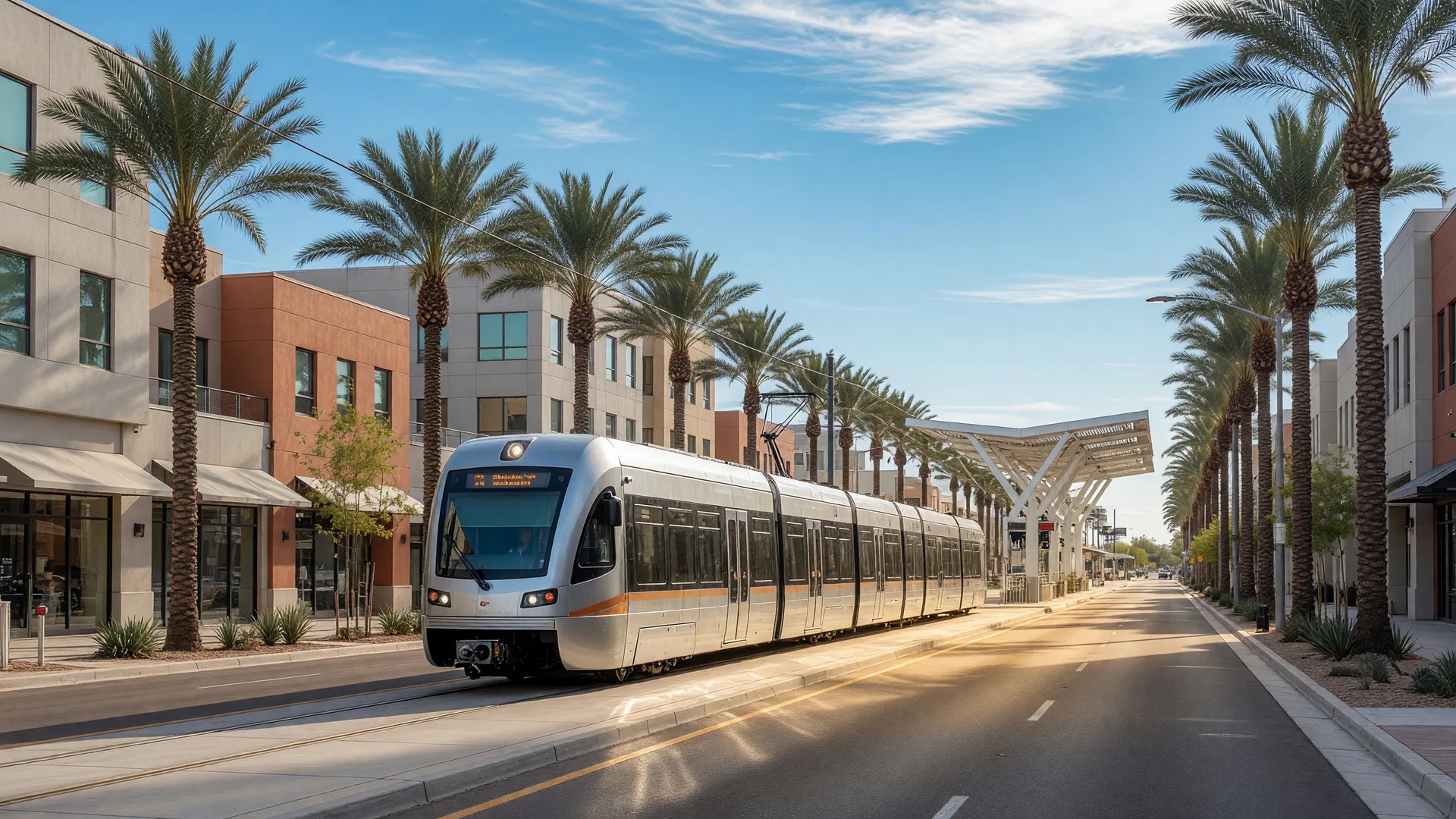
Phoenix is known for its sprawling neighborhoods, desert landscapes, and extensive road network. For many residents, driving remains part of everyday life. But that doesn't mean you need a car for every trip, or that every neighborhood offers the same level of convenience.
With Valley Metro light rail, local buses, walkable districts, and new transportation options, getting around parts of Phoenix without constantly driving is becoming more practical. The key is understanding where these options work well, where they fall short, and how your choice of neighborhood can shape your daily routine.
Hi, I'm Denise Hurd with RE/MAX Premier. With more than 30 years of real estate experience, I know that finding the right home involves more than comparing bedrooms, square footage, and prices. Location affects how you spend your time, how you commute, and how easily you reach the places that matter to you.
If you're considering a move to Phoenix, exploring the area, or simply looking for a more convenient lifestyle, here's what to know about getting around the Valley without driving everywhere.
Can You Get Around Phoenix Without a Car?
Yes, but it depends heavily on where you live and where you need to go.
Downtown Phoenix, Roosevelt Row, parts of Midtown, and nearby transit-connected areas offer more opportunities to combine walking with public transportation. Tempe and parts of Mesa also benefit from light rail connections.
However, Greater Phoenix covers a large geographic area, with communities spread across numerous cities and suburbs. Many residential neighborhoods, shopping centers, hiking trailheads, and employment destinations are not within easy walking distance of a rail station.
For some residents, public transportation can handle much of the weekly routine. Others may find that rideshare services, cycling, or occasional car use are necessary to fill the gaps.
The important question isn't simply whether Phoenix has public transportation. It's whether the transportation options near a particular home connect you to the places you visit most often.
If you're still comparing communities, my guide to Arizona neighborhoods and which community fits your lifestyle can help you think through the lifestyle factors that matter beyond the property itself.
How Phoenix Light Rail Works
Valley Metro light rail is one of the most useful transportation options for people who want to reduce their reliance on a car.
The network connects several important destinations across Phoenix, Tempe, and Mesa. Depending on the station, riders can access downtown attractions, cultural venues, employment centers, university areas, and other urban destinations.
The system's two lines provide connections through central Phoenix, including areas along Central Avenue and 19th Avenue, as well as eastward connections through Tempe and into Mesa.
What Can You Reach by Light Rail?
The train can be particularly useful if your routine involves destinations along the rail corridor.
For example, you may be able to use it to reach:
- Downtown Phoenix restaurants, offices, and entertainment venues.
- Roosevelt Row's galleries, murals, bars, and independent shops.
- Cultural destinations near Central Avenue, including the Heard Museum and Phoenix Art Museum.
- Arizona State University's Tempe campus and surrounding destinations.
- Parts of Mesa along the Main Street corridor.
Your exact travel time depends on your starting station, destination, walking distance, and train schedule. A short drive isn't always faster once parking and traffic are considered, but neither is public transportation automatically the quicker choice.
For current routes, schedules, fares, and service alerts, check Valley Metro before planning your trip.
Is Phoenix Light Rail Affordable?
Standard Valley Metro local bus and light rail fares are generally $2 per ride. The Smart Fare program allows eligible payment methods to accumulate toward daily, weekly, and monthly fare caps. Current maximums and payment requirements are available through the official Valley Metro Smart Fare guide.
For people who regularly travel along the rail corridor, this can be a useful alternative to paying for parking, fuel, and vehicle expenses on every trip.
However, affordability isn't just about the fare. You should also account for the time it takes to reach a station, any transfers, and the distance between your stop and final destination.
Getting to Phoenix Sky Harbor Airport Without Driving
Airport access is another consideration for residents who travel frequently.
Phoenix Sky Harbor International Airport connects with Valley Metro light rail through the 44th Street and Washington station area, using the airport's PHX Sky Train. The Sky Train is free and operates around the clock, although overnight maintenance can affect wait times.
This connection can make airport trips more convenient for residents staying near the rail corridor or for visitors staying in central Phoenix.
For official station information and service details, see the PHX Sky Train guide.

If you travel often, living near a convenient transit connection may be worth considering when choosing a home. Just remember that the distance from your front door to the station matters as much as the connection itself.
A New Option: PHXLink On-Demand Transportation
Phoenix introduced PHXLink, an on-demand shared-ride pilot, on October 26, 2026. The service is designed to connect residents in designated north, west, and south Phoenix zones with existing public transportation and other local destinations.
According to the City of Phoenix, rides within the service zones cost $2 per person, with booking available through the service's mobile or web options and by phone. Service operates daily from 6 a.m. to 8 p.m., subject to availability and zone boundaries.
Unlike a traditional bus route, PHXLink uses designated pickup and drop-off locations based on individual bookings. It may help residents who live farther from a fixed transit route reach a transit center or other local destination.
Because this is a new pilot, it's important to check its current service zones and booking requirements before relying on it for a regular commute.
Learn more through the official PHXLink information page.
PHXLink doesn't eliminate the need to plan around Phoenix's geography, but it offers another option for certain trips.
The Most Walkable Areas to Explore in Phoenix
Walkability varies considerably across the Valley. Some districts concentrate restaurants, shops, parks, and cultural attractions within a relatively small area. Others are primarily residential or require longer trips between destinations.
Here are a few areas worth considering if you want more opportunities to walk as part of your daily routine.
Downtown Phoenix
Downtown is one of the more practical choices for people who want access to offices, restaurants, sporting events, cultural attractions, and transit.
Depending on where you live, you may be able to walk to several everyday destinations and use light rail for trips farther along the corridor.
The trade-offs can include urban traffic, event crowds, parking considerations, and differences in noise levels from one block to another. If you're considering buying a condominium or home downtown, visit the immediate area at different times of day before deciding.
Roosevelt Row
Roosevelt Row is known for its arts district, murals, galleries, restaurants, bars, and independent businesses. Its concentrated mix of destinations makes it appealing to people who enjoy spending time on foot.
The neighborhood also offers access to the downtown transit network, making it worth considering for residents who want a more urban lifestyle.
You can explore the district through Visit Phoenix's Roosevelt Row guide.

Midtown and Central Avenue
Parts of Midtown and the Central Avenue corridor provide access to cultural destinations, restaurants, medical facilities, and transit connections.
The experience varies by block, so don't assume that an address described as being in Midtown automatically offers the same convenience as a property close to a rail station or cluster of shops.
For buyers, walking the surrounding streets and mapping common errands can reveal whether a particular property genuinely fits a less car-dependent lifestyle.
Tempe and Parts of Mesa
Although this article focuses on Phoenix, it's worth considering nearby communities connected to the wider transit network.
Downtown Tempe offers a concentration of restaurants, shops, university destinations, and access to the Tempe Streetcar and light rail. Parts of Mesa also benefit from light rail access along Main Street.
These areas may suit people who want access to urban amenities without limiting their search to Phoenix city limits.
For anyone comparing nearby communities, my Insider's Guide to Arizona Living offers a broader look at life across the state.
How Your Neighborhood Choice Affects Daily Convenience
When buying a home, it's easy to focus on the property's features and overlook how often you'll need to leave it.
A beautiful home can still be inconvenient if your workplace, grocery store, healthcare provider, and preferred activities are all a long drive away. Conversely, a smaller home in a well-connected location may make everyday routines much simpler.
Before choosing a neighborhood, consider these questions:
- Where will you commute? Map your regular work or school journey, including the walk to transit, transfers, and the return trip.
- How close are everyday essentials? Check the actual routes to grocery stores, pharmacies, medical offices, restaurants, and parks. Straight-line distance doesn't always reflect a convenient walking route.
- What happens during summer? Phoenix heat can make walking or waiting outdoors uncomfortable, particularly during the hottest months. Shade, covered stops, water access, and air-conditioned destinations can make a meaningful difference.
- Do you need to travel outside the central Valley regularly? If your routine includes frequent trips to Scottsdale, the West Valley, suburban employment centers, or remote trailheads, a car may remain the most practical option.
- Are you planning for the future? Your transportation needs may change over time. A location that offers several ways to reach essential services can provide flexibility, even if you still own a vehicle.
These considerations are particularly important for people relocating from cities where public transportation is more extensive. Phoenix offers useful transit connections, but it generally isn't a place where every neighborhood supports a completely car-free lifestyle.
If you're planning a move, my Arizona relocation guide can help you consider the broader factors involved in choosing where to live.
Is Living Near Light Rail Worth It?
Living near a light rail station may offer practical benefits, particularly if the line serves your commute or frequent destinations. It can reduce the need to drive for certain trips and provide another transportation option when traffic or parking becomes inconvenient.
But proximity to transit isn't the only factor to evaluate.
Consider the actual walking route to the station, how often trains run at the times you need them, neighborhood noise, parking availability, and the home's overall condition and price.
You should also avoid assuming that a property near light rail will automatically appreciate faster or command a premium. Property values are influenced by many factors, including local demand, housing supply, property condition, and the character of the surrounding area.
For buyers, the best approach is to compare similar homes and assess how the location fits your needs. For sellers, transit access may be a useful feature to highlight when it genuinely benefits the likely buyer.
The right location is the one that supports your routine and priorities, not simply the one closest to a station.
Practical Tips for Getting Around Phoenix With Less Driving
If you're trying to reduce how often you use a car, a few simple habits can make the process easier.
- Plan around destinations, not city boundaries. Phoenix, Tempe, Mesa, and Scottsdale are separate communities with different transportation connections. Map the full journey rather than assuming nearby cities are easy to reach.
- Combine walking and transit. Choose a walkable base for everyday errands and use light rail or buses for longer trips along their routes.
- Check schedules before you leave. Service frequency and operating hours vary. Confirm routes and service alerts using official transit resources.
- Keep the weather in mind. Plan outdoor walking earlier or later during hot weather and carry water.
- Use a flexible approach. Public transit, rideshare services, cycling, and occasional car use can work together. You don't have to commit to a completely car-free lifestyle to drive less.
Why Working With an Experienced Real Estate Agent Matters
Transportation is just one part of choosing the right home, but it can make a substantial difference in how a property fits your lifestyle.
With more than 30 years of real estate experience, I help buyers look beyond listing photos and consider the practical details that shape daily life. That includes understanding the neighborhood, evaluating nearby amenities, and asking the right questions about location.
As a Realtor with RE/MAX Premier, my goal is to help clients make informed decisions based on their needs, not simply find a property that looks good online.
Whether you're moving to Phoenix, comparing communities across the Valley, or searching for a home that offers more convenience, taking the time to evaluate the location can help you make a decision with greater confidence.
Ready to Make Your Next Move With Confidence?
Getting around Phoenix without driving everywhere is possible, especially if you choose a neighborhood with convenient access to transit, shops, and everyday destinations. The key is understanding what each area offers and whether it matches your routine.
If you're considering buying a home in Phoenix or elsewhere in the Valley, I'd be happy to help you explore your options and find a location that fits the way you want to live.
Visit Denise Hurd's website to learn more about Arizona real estate and start planning your next move.
Frequently Asked Questions
Can you live in Phoenix without a car?
Yes, particularly in downtown Phoenix and other areas with good access to light rail, buses, and everyday destinations. However, many suburban neighborhoods and attractions are difficult to reach without a car, so the practicality depends on where you live and travel.
Does Phoenix have a light rail system?
Yes. Valley Metro light rail connects parts of Phoenix with Tempe and Mesa. Check the official Valley Metro website for current routes, schedules, and fares.
What are the most walkable areas in Phoenix?
Downtown Phoenix and Roosevelt Row are among the better-known areas for concentrated restaurants, shops, arts, and entertainment. Parts of Midtown and Central Avenue also offer useful combinations of transit and local destinations. Walkability varies by individual address.
Can you take public transportation from Phoenix Sky Harbor Airport?
Yes. The free PHX Sky Train connects airport terminals with the 44th Street and Washington station area, where travelers can access Valley Metro light rail. Check current operating information before traveling.
Is it worth buying a home near a Phoenix light rail station?
It may be worthwhile if transit access improves your commute or daily routine. However, evaluate the full neighborhood, walking route, property condition, pricing, and comparable sales rather than assuming proximity guarantees higher property values.
Is public transportation enough for living in the Phoenix metro area?
For some residents, it covers a large share of their routine. Others need a combination of transit, walking, cycling, rideshare services, and driving. The best arrangement depends on your work location, errands, and preferred activities.
Sources
- City of Phoenix: PHXLink On-Demand Transportation
- City of Phoenix: Public Transit Service Changes, October 2026
- Valley Metro: Official Transit Information
- Valley Metro: Smart Fare Program
- Phoenix Sky Harbor International Airport: PHX Sky Train
- Visit Phoenix: Roosevelt Row Arts District
- City of Phoenix: Transit-Oriented Communities
Looking for a home that fits your routine?
Transit, walkability, and location are exactly the details I help buyers evaluate every day. Reach out and I will help you find a neighborhood that fits the way you actually live.

Denise Hurd
Luxury Real Estate Specialist · RE/MAX Premier
With over 30 years in Metro Phoenix real estate, I help buyers and sellers make confident, market-driven decisions. Call me at 480-980-4400 or book a consultation.