Introduction
Buying a luxury estate in Paradise Valley is an exciting opportunity. You may be looking for a private retreat with mountain views, an expansive outdoor living area, a custom-built home, or a property close to the best of Scottsdale and Phoenix.
But when you're considering a multimillion-dollar property, it's important to look beyond the photographs, finishes, and impressive first impression.
Paradise Valley has its own zoning requirements, hillside regulations, building approval processes, and property characteristics that can affect how you use and maintain a home. Two estates that look equally impressive online may have very different ownership considerations once you examine the details.
I've found that the most confident buyers are the ones who take time to understand what they're purchasing before committing.
I'm Denise Hurd, a luxury real estate specialist with RE/MAX Premier. With more than 30 years of experience, I help buyers look beyond the home itself so they can make decisions that support their lifestyle and long-term plans.
If you're thinking about purchasing an estate in Paradise Valley, here are 10 things I recommend understanding before making an offer.
1. Understand the Exact Location, Not Just the Paradise Valley Address
Paradise Valley is a small community, but individual locations can offer very different living experiences.
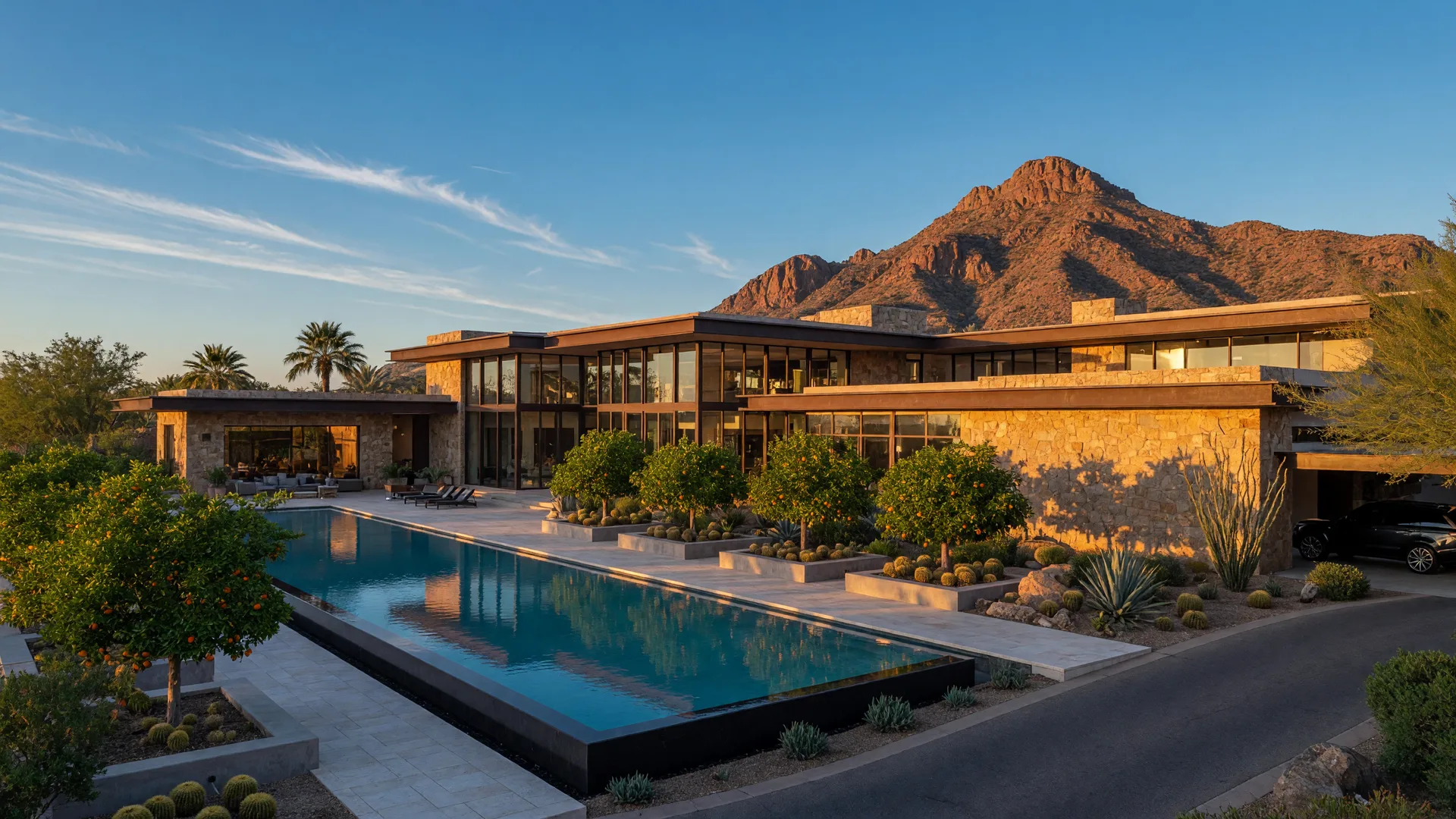
A home near Camelback Mountain may provide a dramatic mountain backdrop. A property near Mummy Mountain may offer a more elevated, tucked-away setting. Other areas may appeal to buyers who prefer flatter lots, established residential streets, or proximity to nearby resorts and shopping.
Even within the same general area, properties can differ significantly in:
- Mountain and city views.
- Lot size and usable outdoor space.
- Privacy and neighboring properties.
- Street access and traffic patterns.
- Proximity to resorts, golf, dining, and shopping.
Also, verify that the property is actually within the Town of Paradise Valley. A mailing address alone does not establish municipal boundaries or which local rules apply.
My advice: Visit the property at different times of day. Pay attention to the surrounding homes, road access, noise, sunlight, and the overall feel of the location.
2. Examine the Lot as Carefully as the House
In luxury real estate, the land can be just as important as the structure.
A beautifully renovated estate may have impressive interiors, but the lot determines much of what you can do outside. This becomes particularly important in Paradise Valley, where properties may have significant elevation changes, natural desert terrain, or unusual lot configurations.
Look at more than the total acreage. Consider:
- How much of the lot is actually usable?
- Is the backyard suitable for entertaining?
- Is there room for a pool, guest house, or sport court?
- Are there drainage easements or other restrictions?
- How close are neighboring homes?
- Are there areas where future construction could affect the views?
A large lot does not automatically mean a large usable yard. A hillside parcel, for example, may have impressive total acreage but limited areas suitable for additional structures or outdoor amenities.
Before making an offer, consider obtaining a professional survey if boundaries, improvements, easements, or property lines need clarification.
3. Check Whether the Property Is Subject to Hillside Regulations
This is one of the most important Paradise Valley-specific considerations.
Some properties fall within the Town's designated hillside development area. These properties are subject to additional requirements intended to preserve the natural landscape and manage construction impacts.
The Town's Hillside Building Committee reviews applicable projects for matters such as:
- Land disturbance and grading.
- Building height.
- Exterior materials.
- Lighting.
- Drainage.
- New construction and additions.
- Certain pools and accessory structures.
The important point is that hillside regulations can affect more than major construction projects. Depending on the property and proposed work, even certain exterior changes may require review or approval.
Before buying, confirm whether the property is within the hillside area and whether existing improvements and any planned renovations have the required approvals.
You can review the Town's Hillside Building Committee information to understand the process.
Why this matters: If you plan to remodel, expand, change exterior finishes, or add outdoor amenities, you should understand the applicable requirements before assuming the project will be approved.
4. Verify Permits and Previous Improvements
Luxury estates often have features added over many years. These may include guest houses, pools, outdoor kitchens, sport courts, expanded garages, walls, ramadas, and extensive landscaping.
The question isn't simply whether those features look professionally completed. It's whether the work was properly approved.
Ask for documentation related to:
- Building additions and structural changes.
- Guest houses and accessory structures.
- Pool and spa construction.
- Electrical and plumbing work.
- Major landscaping and grading.
- Retaining walls, fences, and gates.
- Solar installations and other specialized systems.
Compare the seller's information with available Town permit records. If the property has undergone substantial renovations, ask appropriate inspectors or contractors to evaluate the work.
Paradise Valley provides a Permits and Handouts resource with information about applications and building requirements.
An unpermitted improvement does not automatically mean a deal should be abandoned. However, buyers should understand the potential cost, compliance issues, and limitations before proceeding.
5. Don't Skip Specialized Inspections
A standard home inspection is important, but a large luxury estate may need more than one professional evaluation.
The size, age, design, and systems of the property should determine the inspection plan.
Depending on the home, consider specialists for:
- Roof condition and remaining useful life.
- Heating, ventilation, and air conditioning systems.
- Plumbing and water pressure.
- Electrical systems and backup power.
- Pool equipment and water features.
- Termite activity and wood-destroying organisms.
- Drainage and retaining walls.
- Solar systems and battery storage.
- Smart-home, security, and automation systems.
For hillside properties, drainage and structural considerations deserve particular attention. For homes with extensive outdoor amenities, the condition and operating costs of those systems should also be evaluated.
A property can look immaculate while hiding expensive maintenance needs.
The Arizona Department of Real Estate recommends that buyers review seller disclosures, consider professional inspections, and pay attention to items such as plumbing, irrigation, and appliances.
Its Property Buyer's Checklist is a useful starting point.
6. Understand Water, Sewer, and Drainage
Water and wastewater arrangements are not details to leave until the end of the transaction.
Paradise Valley properties may have different water providers and wastewater arrangements depending on their location. Some properties are connected to municipal sewer service, while others may use septic systems.
Before making an offer, confirm:
- Which company or municipality provides water.
- Whether the property is connected to public sewer.
- Whether a septic system is present.
- Whether there are known water-line or sewer issues.
- How irrigation and outdoor water features operate.
- Whether the property has drainage easements or other water-flow considerations.
If the property has a septic system, ask about its age, maintenance history, inspection results, and any required transfer procedures.
Drainage is particularly important in desert environments. Heavy rainfall can create runoff and erosion concerns, especially on sloped properties or homes with extensive hardscape.
Don't assume that a beautiful landscaped yard tells the whole story about how water moves across the property.
7. Review the Title, Easements, and Property Restrictions
A luxury estate may have features or arrangements that are not obvious during a showing.
The title commitment and related property records can help reveal issues that may affect ownership or future plans.
Pay attention to:
- Recorded easements.
- Access and private-road agreements.
- Utility access.
- Boundary questions.
- Deed restrictions.
- Liens or other title exceptions.
- Existing agreements that affect the property.
For larger or irregular parcels, a professional survey can help clarify boundaries and identify potential conflicts between recorded documents and existing improvements.
If the property is in a homeowners association, review the governing documents, financial information, dues, restrictions, and any pending assessments.
Even buyers who prefer independent estates should confirm whether any recorded restrictions or shared maintenance obligations apply.
Your title and escrow professionals can help explain the documents, while an attorney can advise on legal questions.
8. Calculate the Full Cost of Ownership
The purchase price is only one part of owning a Paradise Valley estate.
A large home with a pool, extensive landscaping, guest accommodations, and specialized systems can carry substantial ongoing expenses.
Before making an offer, develop a realistic ownership budget that includes:
- Property taxes: Review the property's current tax bill and understand how assessed values and applicable taxing districts affect the amount.
- Insurance: Obtain an insurance quote early. Coverage and premiums can vary based on replacement cost, roof condition, construction materials, property features, and other underwriting considerations.
- Utilities: Large homes may have significant electricity and water expenses, especially during Arizona's summer months.
- Cooling and maintenance: Multiple HVAC systems, large roofs, specialty equipment, and smart-home systems can add to annual maintenance.
- Pool and landscaping: Pools, irrigation, trees, and outdoor amenities require regular care.
- Staff and property management: Some estates require additional services for housekeeping, security, maintenance, or property management.
- Association costs: If applicable, include HOA dues, assessments, and other community expenses.
I encourage buyers to look at the property's likely annual operating costs rather than focusing only on the mortgage payment.
A home that fits your budget at closing should also fit your budget several years from now.
9. Understand Rental Rules Before Assuming You Can Generate Income
Some luxury buyers purchase Paradise Valley estates as second homes or properties they may occasionally rent out.
If rental income is part of your plan, verify the applicable rules before making an offer.
The Town of Paradise Valley states that Arizona law permits qualifying short-term rentals. However, the Town also explains that homeowners associations may restrict or prohibit certain rental uses through their governing documents.
The Town has additional requirements relating to rental taxes and registration. It also prohibits using a residential short-term rental for nonresidential purposes such as commercial events.
You can review the Town's short-term and vacation rental FAQs.
Do not assume that a property can be used for vacation rentals simply because it is a luxury home or because nearby properties appear to be rented.
Confirm the property's specific restrictions, association documents, tax obligations, and applicable regulations.
If rental income is essential to your purchase decision, have the relevant legal and tax questions reviewed before committing.
10. Make Your Offer Based on the Property, Not Just the Asking Price
Luxury homes do not all follow the same pricing pattern.
A Paradise Valley estate may have a unique lot, architectural design, view, renovation history, or collection of amenities. Those features can make direct comparisons difficult.
Before submitting an offer, look at:
- Recent comparable closed sales.
- Similar properties currently on the market.
- Comparable homes that failed to sell or were withdrawn.
- The property's condition and renovation needs.
- How long it has been listed.
- Any meaningful price changes.
- The seller's preferred closing and possession timeline.
A home listed for $6 million is not necessarily worth $6 million simply because it has an impressive presentation. Likewise, a property priced above recent sales may have features that justify a closer evaluation.
The goal is to understand the evidence behind the asking price.
Also remember that offer terms matter. Financing, appraisal provisions, inspection periods, earnest money, closing dates, and possession arrangements can all influence negotiations.
In a luxury transaction, the strongest offer is not always the one with the highest number. It is the one that balances price, protections, timing, and the seller's priorities.
Real-Life Insight: The Details You Don't See in the Listing Photos
Luxury listings are designed to showcase what makes a property special. That's exactly what they should do.
But buyers also need to pay attention to the less glamorous details.
A spectacular hillside view may come with additional approval requirements. A beautiful guest house may need permit verification. A large pool may require equipment replacement. A landscaped property may have drainage concerns that only become obvious during heavy rain.
These details don't necessarily make a property a poor choice. They simply need to be understood.
I encourage buyers to separate the emotional appeal of a home from the practical questions of ownership. You can appreciate the architecture and the view while still asking the right questions about the property.
That balance helps you make a decision with confidence.
Why Working With an Experienced Agent Matters
Buying an estate in Paradise Valley involves more than finding a beautiful home and negotiating a price.
The property may have unique zoning considerations, hillside requirements, specialized systems, extensive improvements, or title matters that deserve additional attention.
With more than 30 years of experience, I help buyers evaluate the details that can influence a property's value, usability, and long-term ownership.
As an A.I.-certified real estate agent and Certified Luxury Home Marketing Specialist with RE/MAX Hall of Fame recognition, I combine market knowledge, careful research, and modern tools to help clients make informed decisions.
I also believe the right team matters. Inspectors, contractors, title professionals, insurance providers, lenders, and legal advisers each have an important role in helping buyers understand what they are purchasing.
My goal is to help you find a home that fits your lifestyle while making sure you have the information you need before moving forward.
Ready to Make Your Next Move With Confidence?
A Paradise Valley estate can offer an exceptional lifestyle, but the right purchase requires more than falling in love with a property's appearance.
Understanding the lot, permits, hillside regulations, inspections, utilities, ownership costs, and comparable sales can help you approach the transaction with greater clarity.
If you're considering buying a luxury home in Paradise Valley, I'd be happy to help you evaluate your options and understand what to look for before making an offer.
I'm Denise Hurd with RE/MAX Premier. With more than 30 years of experience serving Metro Phoenix, I believe buying a home should feel informed, organized, and aligned with your goals.
Call me at 480-980-4400 or email homesnaz@aol.com. Let's talk about what you're looking for and how to make your next move with confidence.
Frequently Asked Questions
1. What should I check before buying a luxury home in Paradise Valley?
Start with the property's exact location, lot characteristics, zoning, hillside status, permits, title, utilities, and condition. Arrange professional inspections and review the full cost of ownership before finalizing your decision.
2. Do Paradise Valley hillside homes have special building restrictions?
Some properties are within the Town's designated hillside development area and are subject to additional review. Requirements may affect grading, building height, lighting, materials, drainage, landscaping, and proposed improvements. Confirm the property's status with the Town.
3. Can I remodel or add a guest house to a Paradise Valley estate?
Possibly, but the project must comply with applicable zoning and building requirements. Hillside properties may have additional review requirements. Verify the property's restrictions and approval process before assuming an addition or renovation is possible.
4. Do all Paradise Valley homes have public sewer service?
No. Wastewater arrangements can vary by property. Confirm whether the home is connected to municipal sewer or uses a septic system, and review the relevant records and inspections.
5. Are short-term rentals allowed in Paradise Valley?
Arizona law allows qualifying short-term rentals, but owners must follow applicable state and Town requirements. An HOA may also restrict or prohibit rental use. Buyers should verify the specific property's restrictions and obligations.
6. Should I get more than a standard home inspection for a Paradise Valley estate?
Often, yes. Depending on the property, additional evaluations may be appropriate for roofing, HVAC, pools, plumbing, electrical systems, drainage, retaining walls, termites, solar, and specialized home technology.
7. How do I determine whether a Paradise Valley estate is priced correctly?
Compare the property with recent closed sales and competing listings, taking into account location, lot size, views, condition, architecture, and improvements. Unique luxury homes often require a more detailed comparative market analysis than a typical residential property.
8. What ongoing expenses should luxury buyers budget for?
In addition to property taxes and insurance, consider utilities, cooling, pool service, landscaping, repairs, maintenance, property management, staff, and any applicable HOA fees or assessments.
Sources
- Arizona Department of Real Estate – Property Buyer's Checklist
- Town of Paradise Valley – Hillside Building Committee
- Town of Paradise Valley – Permits and Handouts
- Town of Paradise Valley – Short-Term and Vacation Rental FAQs
- Town of Paradise Valley – Hillside and Non-Hillside Review Guide