Phoenix's real estate market is showing signs of cooling, and many buyers and homeowners are asking the same question: Are home prices finally coming down?
The short answer is yes, some measures of Phoenix home prices are declining. However, the market is not moving in one direction across every neighborhood or property type. Asking prices have fallen, more sellers are reducing their prices, and buyers have additional homes to consider. At the same time, some measures of completed home sales show relatively stable prices.
Understanding that difference matters. A changing market can create opportunities for buyers while requiring sellers to approach pricing more carefully.
Hi, I'm Denise Hurd with RE/MAX Premier. With more than 30 years of experience in real estate, I've learned that understanding the local market is about more than following headlines. It's about looking at the numbers, understanding the neighborhood, and knowing how those changes affect your next move.
Let's look at what the latest data tells us about Phoenix home prices and what it could mean for you.
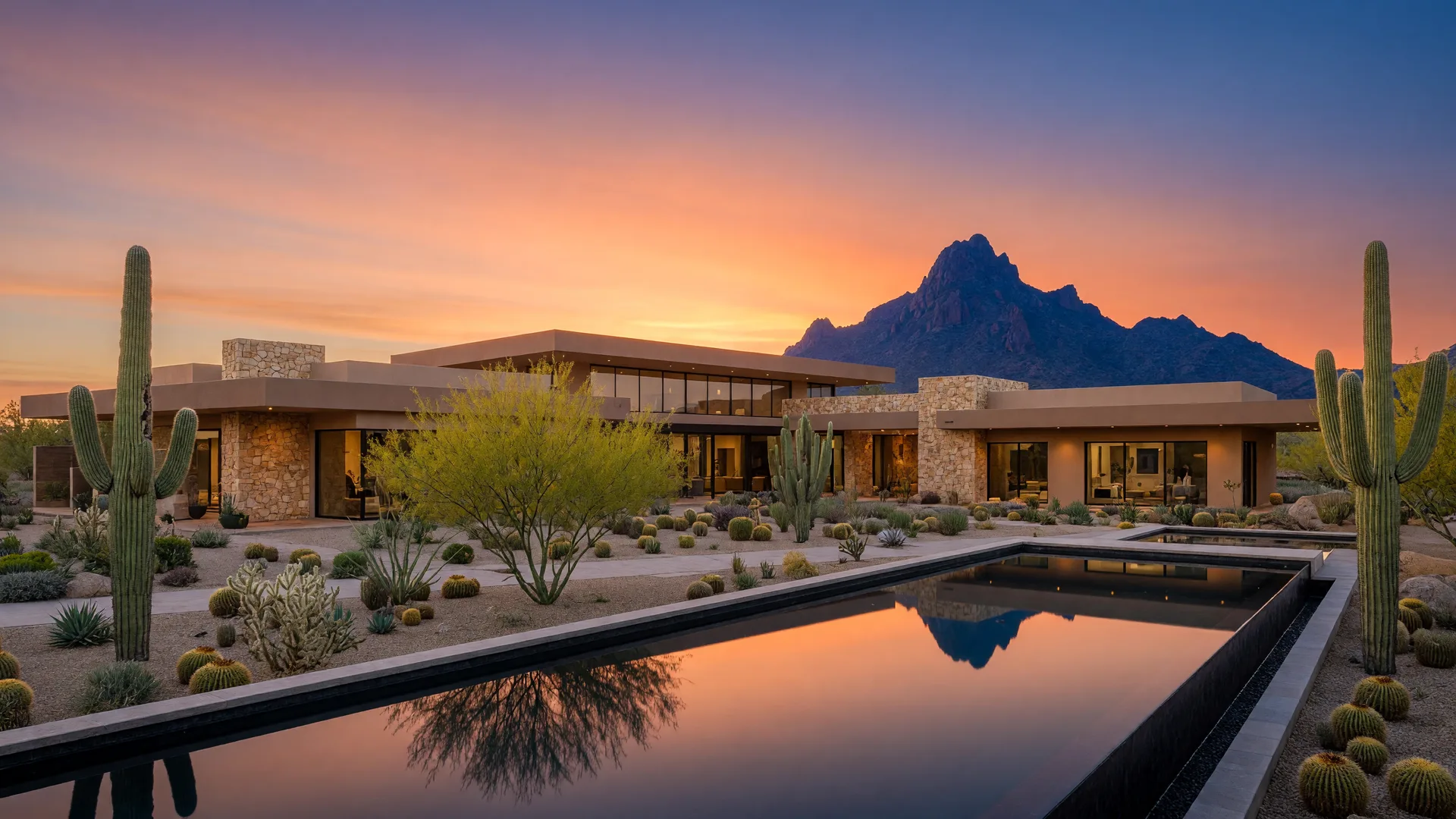
Are Phoenix Home Prices Actually Going Down?
Recent housing reports point to a cooling market, although the exact figures depend on the source and the type of price being measured. As of the October 2026 ARMLS STAT report, the Greater Phoenix median sale price sits at $450,000, roughly flat from a year ago, with about 25,250 active listings and 4.45 months of supply, a balanced market.
The most recent monthly comparisons, from September 2026, show the same split. According to Realtor.com's September 2026 Phoenix housing report:
- The median asking price fell 4.8% year over year to approximately $475,000.
- Active listings increased 7.5% year over year to 18,437.
- Approximately 29% of listings had a price reduction.
- Homes spent a median of 62 days on the market.
Meanwhile, Redfin's September 2026 Phoenix housing data showed a median sale price of approximately $452,285, up 0.5% year over year, consistent with ARMLS' freshest October 2026 reading of $450,000.
These figures may look contradictory, but they measure different things. Asking prices reflect what sellers hope to receive, while sale prices reflect homes that actually closed during a particular period. The mix of properties selling can also affect the median.
The takeaway is that Phoenix sellers are facing more pricing pressure, even though completed sales do not show a uniform year-over-year decline. That is a more accurate description of the market than saying all Phoenix home values are falling.
For a broader perspective, read my guide to navigating the Arizona real estate market.
Why Are Phoenix Home Prices Under Pressure?
Several factors are contributing to the changing market.
1. Buyers Have More Homes to Choose From
When more properties are available, buyers have less reason to rush into a purchase. They can compare neighborhoods, evaluate property condition, and consider whether a home is priced fairly against similar options.
Realtor.com reported that active Phoenix listings increased 7.5% year over year in September. More competition among sellers can make it harder for an overpriced home to attract serious interest.
This does not mean every property is sitting unsold. Well-maintained homes in desirable locations can still attract buyers. However, sellers generally need to pay closer attention to comparable listings and recent sales.
2. More Sellers Are Reducing Their Asking Prices
Price reductions are another important signal. Realtor.com reported that roughly 29% of Phoenix listings had a price cut in September 2026.
A reduction does not automatically mean a seller is losing money. Some sellers initially list above the price buyers are willing to pay, while others adjust their asking price after seeing limited interest.
For buyers, price reductions can identify properties worth a closer look. For sellers, they are a reminder that the initial pricing strategy matters.
3. Affordability Continues to Influence Decisions
Mortgage rates and monthly payments remain important parts of the buying equation. Even when a home's asking price falls, financing costs can affect how much a buyer can comfortably afford.
Some buyers may decide to wait, choose a less expensive property, or negotiate for seller concessions that reduce their upfront expenses.
For anyone considering a purchase, my step-by-step guide to buying a house in Arizona explains why preparation and a clear budget are important before starting the search.
Are All Phoenix-Area Neighborhoods Seeing Price Declines?
No. The Phoenix metropolitan area includes communities with different price points, property types, and buyer pools. Citywide statistics cannot tell the entire story.
For example, September 2026 reporting from Phoenix REALTORS, summarized by Phoenix Agent Magazine, showed Phoenix's median home price falling 3.5% year over year to $485,000. Scottsdale's median price, by contrast, increased 4.3% to approximately $1.2 million.
These figures cover different local market conditions, and the results should not be treated as a direct comparison of identical homes. Property mix, location, condition, and price range all matter.
The same principle applies across the East Valley.
- Gilbert: Buyers should compare individual neighborhoods, home sizes, and property conditions rather than assume the broader market trend applies to every listing.
- Mesa: A wide range of housing options means results can differ substantially between neighborhoods and property types.
- Scottsdale: Luxury properties may follow different patterns from entry-level homes or condominiums, particularly in highly sought-after locations.
- Paradise Valley: High-end and estate properties require especially careful comparisons because a small number of sales can influence median figures.
If you are exploring the East Valley, my guides to Arizona neighborhoods and their lifestyles and the best neighborhoods for luxury home buyers in Arizona can help you understand how different communities may fit your priorities.
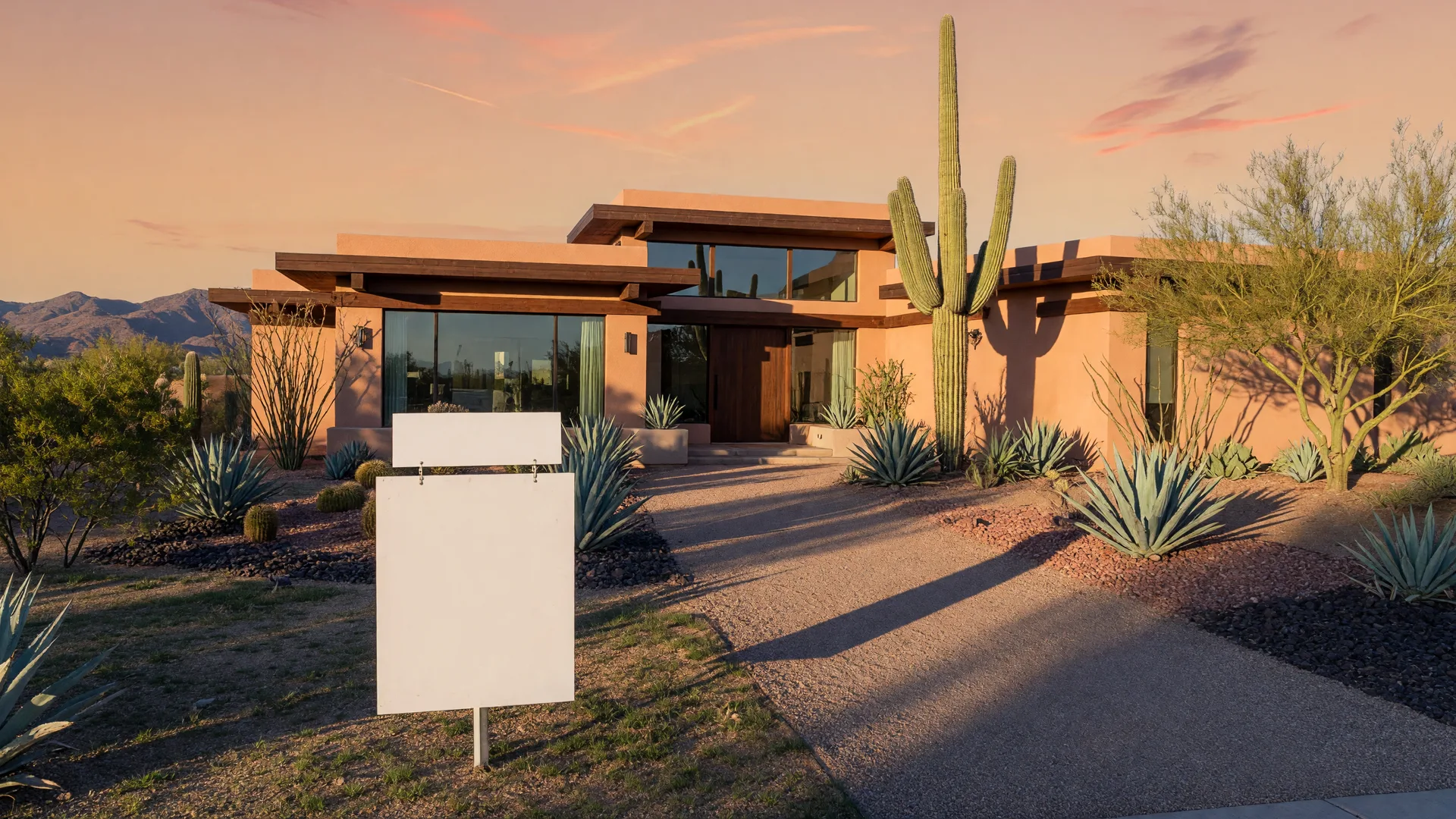
What Falling Asking Prices Mean for Home Buyers
For buyers who have been waiting for more choices or better negotiating opportunities, the current market is worth watching.
However, a price reduction alone does not make a property a good purchase. The home's condition, location, recent comparable sales, and long-term suitability still matter.
Here are four ways buyers can approach the market strategically.
- Compare recent closed sales. Look at properties similar in size, condition, age, and location. Active listings show the competition, but completed sales provide stronger evidence of what buyers have actually paid.
- Ask about seller concessions. Depending on the transaction and loan guidelines, a seller may be willing to help with eligible closing costs or other expenses. The terms need to be negotiated and documented properly.
- Look beyond the asking price. Consider maintenance needs, the home's layout, potential repairs, and any community or association requirements that affect your decision.
- Stay financially prepared. Get financing guidance before making an offer, and understand how your monthly payment may change with different interest rates or down payments.
The goal is not simply to buy at the lowest possible price. It is to find a home that makes sense for your budget, lifestyle, and plans.
What Homeowners and Sellers Should Know
If you own a home in Phoenix, declining asking prices elsewhere do not automatically mean your property has lost the same percentage of value.
Your home's likely market value depends on recent comparable sales, location, condition, features, and competition from similar properties.
In a market with more choices, buyers may be less willing to overlook outdated finishes, deferred maintenance, or ambitious pricing. Sellers should evaluate their property objectively before deciding on a listing price.
Consider these steps before putting your home on the market:
- Review recent comparable sales in your immediate area.
- Compare your property with homes currently listed for sale.
- Address visible maintenance issues where practical.
- Make improvements that are likely to matter to your target buyer.
- Discuss a pricing and negotiation strategy before listing.
It is also worth understanding the full financial picture before selling. My guide to closing costs for buyers and sellers explains expenses that can affect your proceeds or cash needed at closing.
Most importantly, avoid setting your asking price based only on what a neighbor received several years ago or what you hope to net. A current, property-specific analysis is a much better starting point.
Is Phoenix Heading for a Housing Market Crash?
A cooling market and a housing crash are not the same thing.
Lower asking prices, longer marketing periods, and increased inventory indicate that sellers may have less pricing power than they did in a more competitive market. They do not, by themselves, establish that a crash is coming.
To assess the risk of a more substantial downturn, it is important to monitor several indicators together, including completed sale prices, inventory, pending sales, mortgage rates, employment conditions, and distressed sales.
The data available through October 2026 supports a cautious conclusion: Phoenix buyers have more options and more opportunities to negotiate in some segments, while price trends vary by neighborhood and property type.
Rather than trying to predict an exact bottom, buyers and sellers should make decisions based on their own finances, time horizon, and local market conditions.

Why Working With an Experienced Real Estate Agent Matters
Market-wide statistics are useful, but they cannot tell you exactly what your home is worth or whether a particular property is fairly priced.
That requires a closer look at comparable sales, current competition, property condition, and the specific features buyers value in that location.
With more than 30 years of real estate experience, I help buyers and sellers understand the factors behind the numbers and make informed decisions without relying on headlines alone.
As an agent with RE/MAX Premier, my approach is centered on clear communication, careful research, and helping clients find the right fit for their needs. Whether you're considering buying, selling, relocating, or exploring Arizona's luxury market, the right strategy begins with understanding your options.
Ready to Make Your Next Move With Confidence?
Phoenix home prices are showing signs of cooling, but the opportunities are not identical across every neighborhood. Buyers may find more room to negotiate, while sellers can benefit from realistic pricing and a well-planned marketing strategy.
If you're thinking about buying or selling in Phoenix, Gilbert, Mesa, Scottsdale, or the surrounding communities, I can help you understand the local numbers and determine what they mean for your next move.
Visit Denise Hurd's website to learn more about Arizona real estate and explore your options.
Frequently Asked Questions
Are Phoenix home prices dropping in 2026?
Some measures are declining. Realtor.com reported that Phoenix's median asking price fell 4.8% year over year in September 2026, while Redfin reported a 0.5% increase in the city's median sale price. The difference reflects distinct measures of the market.
Is now a good time to buy a home in Phoenix?
It may be a good time for buyers who are financially prepared and find a property that fits their needs. Increased listing availability and price reductions can create negotiating opportunities, but buyers should evaluate recent comparable sales and financing costs before making an offer.
Should I wait for Phoenix home prices to fall further?
No one can reliably identify the exact bottom of a housing market in advance. Waiting may bring additional choices or lower prices, but it could also mean different financing costs or fewer suitable properties. Your timeline, budget, and housing needs should guide the decision.
Are Scottsdale and Gilbert home prices falling too?
Not necessarily at the same rate as Phoenix. Local trends vary by neighborhood, price range, and property type. Recent reporting showed Scottsdale's median price increasing year over year even as Phoenix's median price declined in the same report. Buyers and sellers should review data specific to their area.
How can I find out what my Phoenix-area home is worth?
Start with recent closed sales of similar homes in your neighborhood, then account for your property's condition, features, and competition. An individualized comparative market analysis can provide a more useful estimate than a citywide median or automated valuation alone.
Sources
- Realtor.com — Phoenix Real Estate Market, September 2026
- Redfin — Phoenix Housing Market Trends
- Phoenix Agent Magazine — September 2026 Maricopa County Market Report
- Arizona Residential Resource — Regional Market Reports

Denise Hurd
Luxury Real Estate Specialist · RE/MAX Premier
With more than 30 years of Arizona real estate experience, I help buyers and sellers make confident, informed decisions in every market. Call me at 480-980-4400 or book a consultation for a personalized market analysis.